The four steps to using MassMotion
Integrate pedestrian simulation into your design workflows to assess and communicate smarter, safer design decisions to your clients. It's easy to use, but how you use it is what will set you apart.


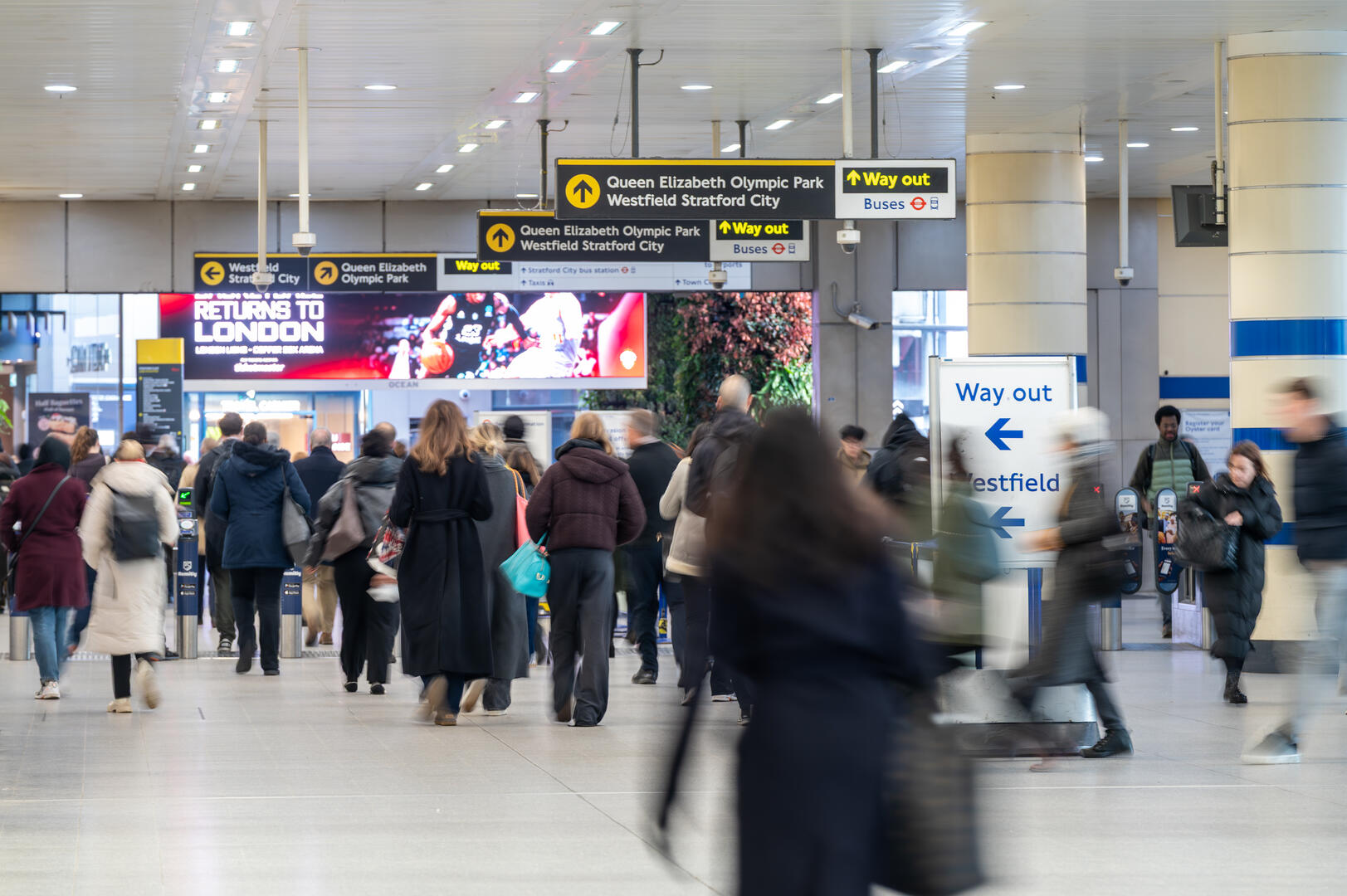
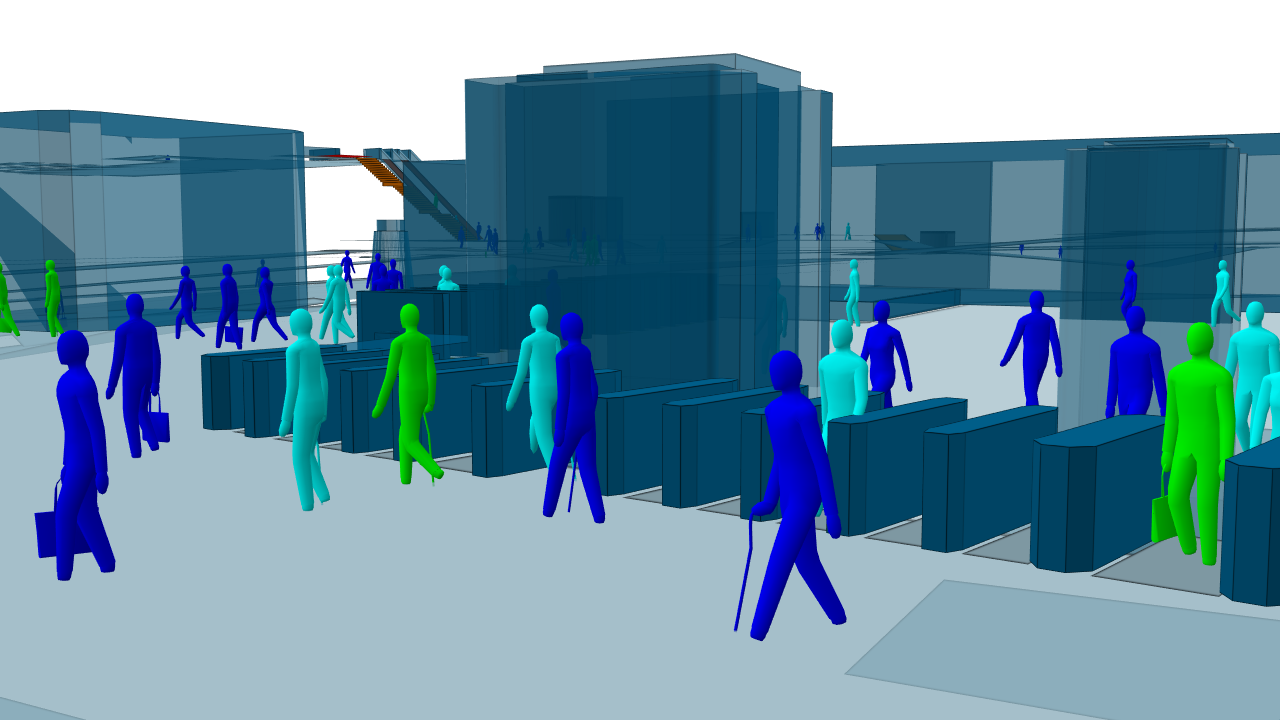
Pedestrian simulation uses digital modelling to recreate real-world pedestrian movement patterns with intelligent agents. By using project-specific data to model and analyse pedestrian flow, architects, designers, engineers, operators, and planners can perform realistic pedestrian flow analysis and create safer, more efficient public spaces.
Designing human-centric spaces means putting people at the heart of the process.
Implementing pedestrian simulation early in the design process ensures robust, future-proof planning and supports data-driven decision making. By conducting pedestrian flow analysis, you can test multiple scenarios, identify congestion points, and optimise layouts before construction begins, saving time, reducing costs, and improving overall user experience.
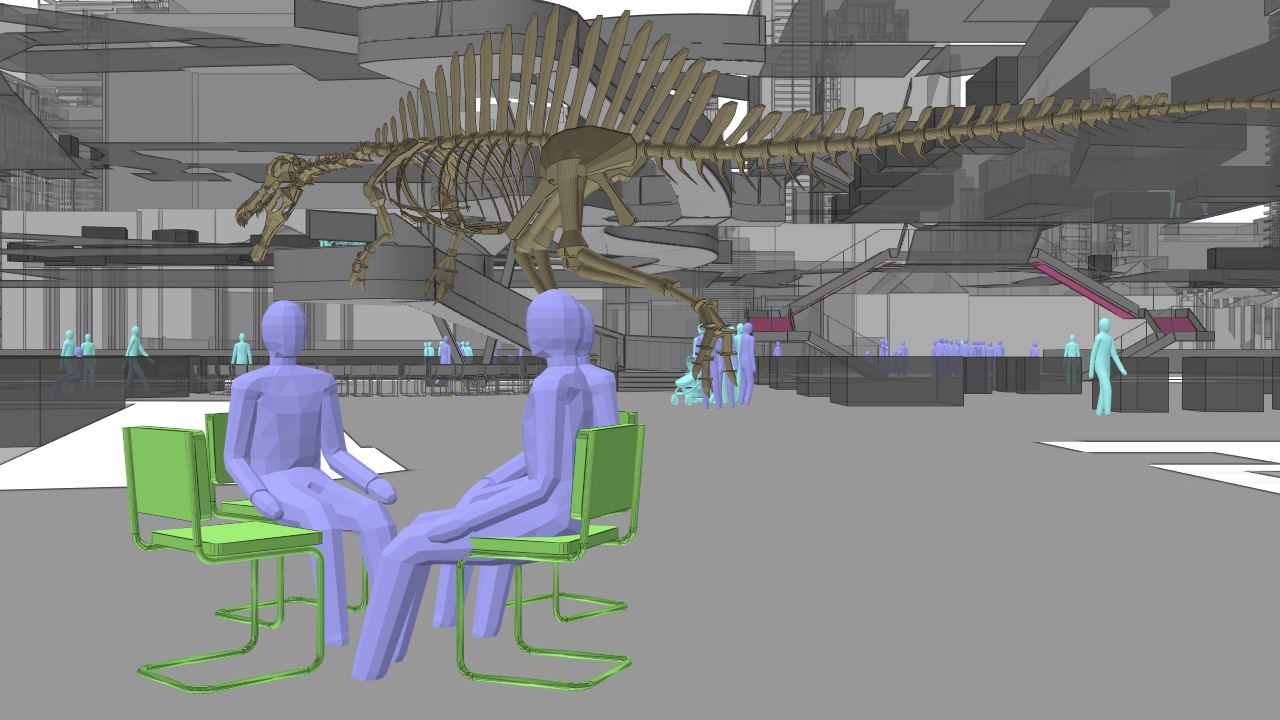
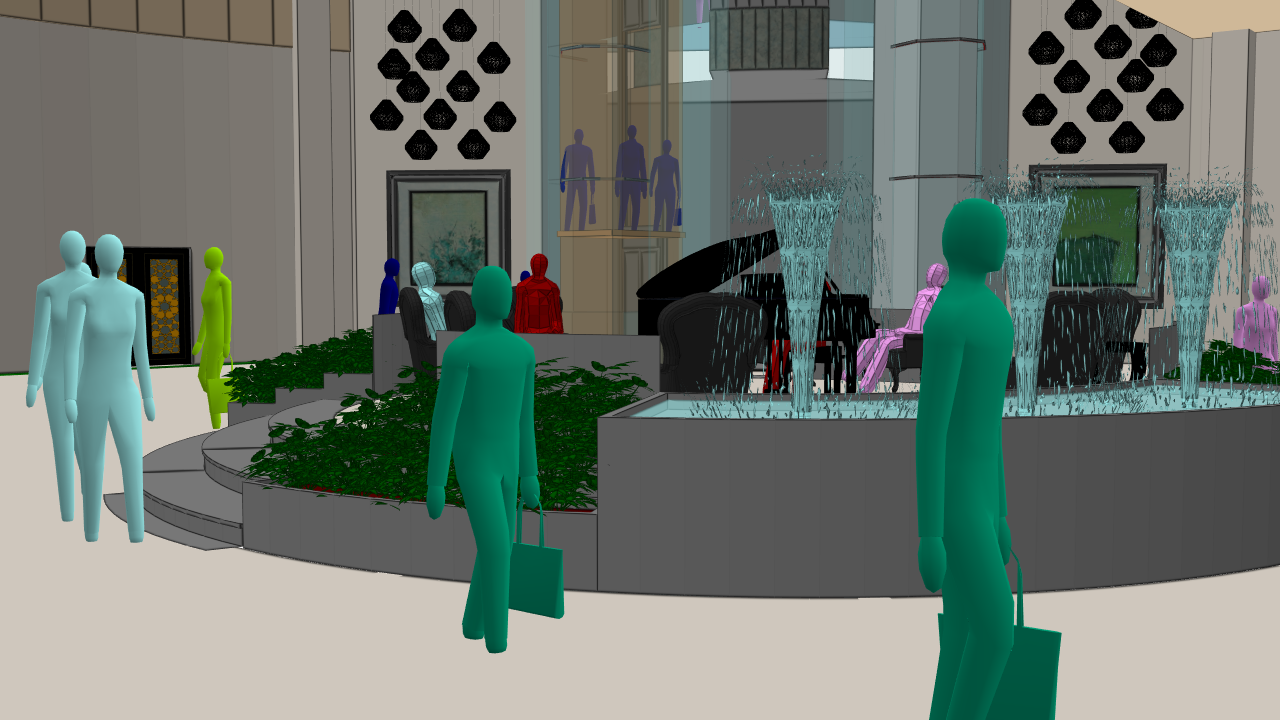
Digital solutions like MassMotion bring pedestrian simulation to life. MassMotion pedestrian modelling software is a human-centric design software solution and is recognised as one of the leading crowd simulation tools in the industry. It allows you to recreate real-world scenarios and simulate pedestrian movement through your designs to identify safety risks and ensure you are creating safer, more efficient environments.
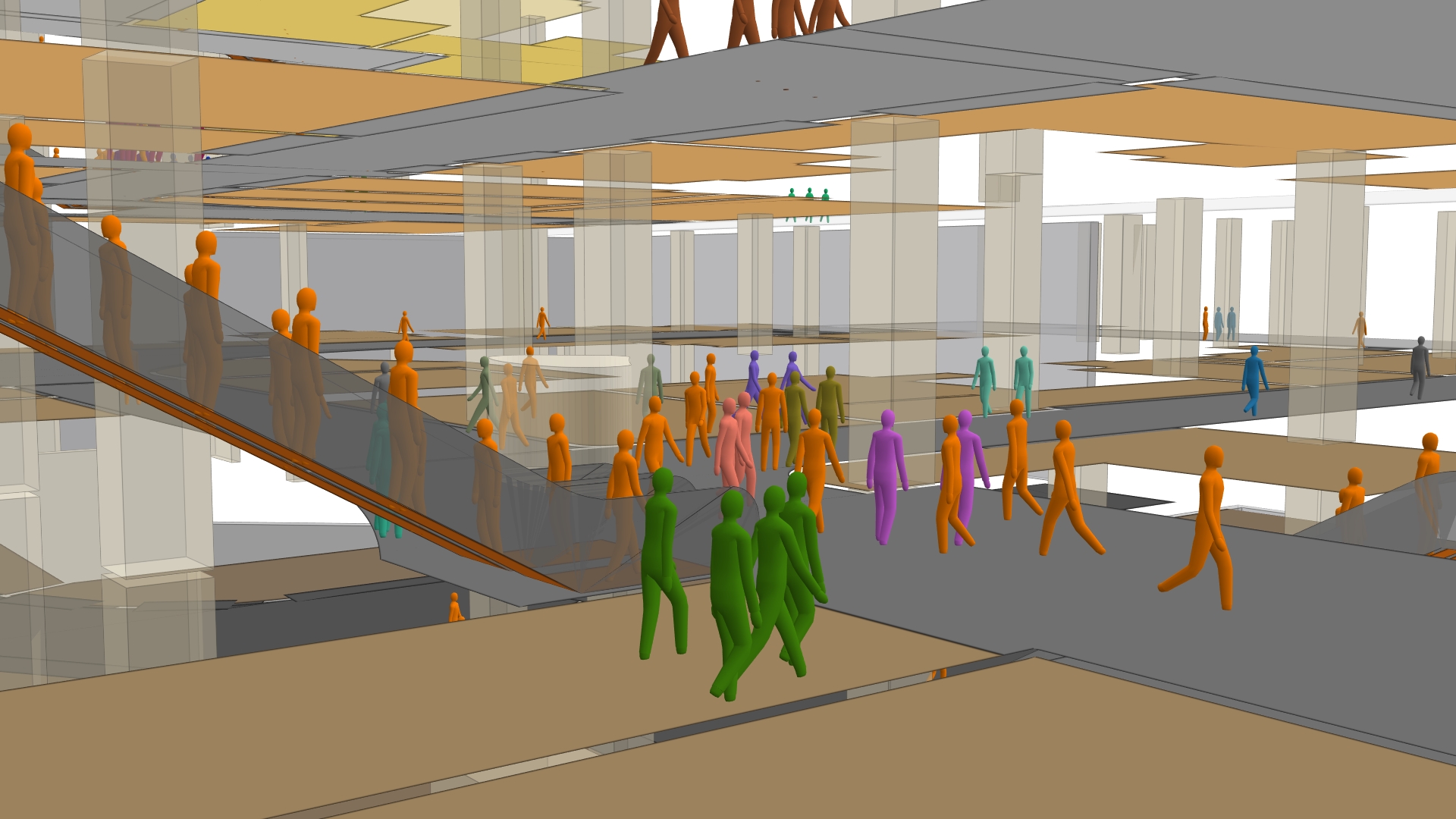
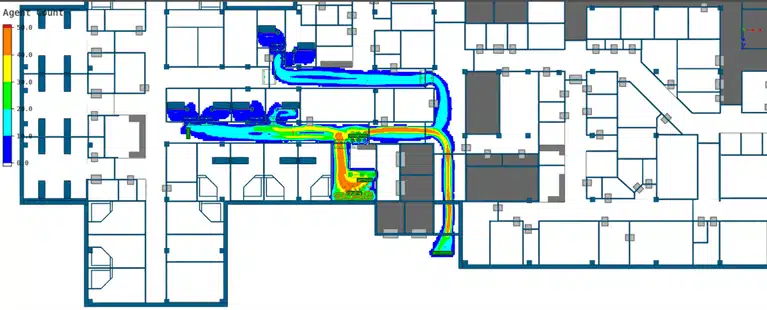
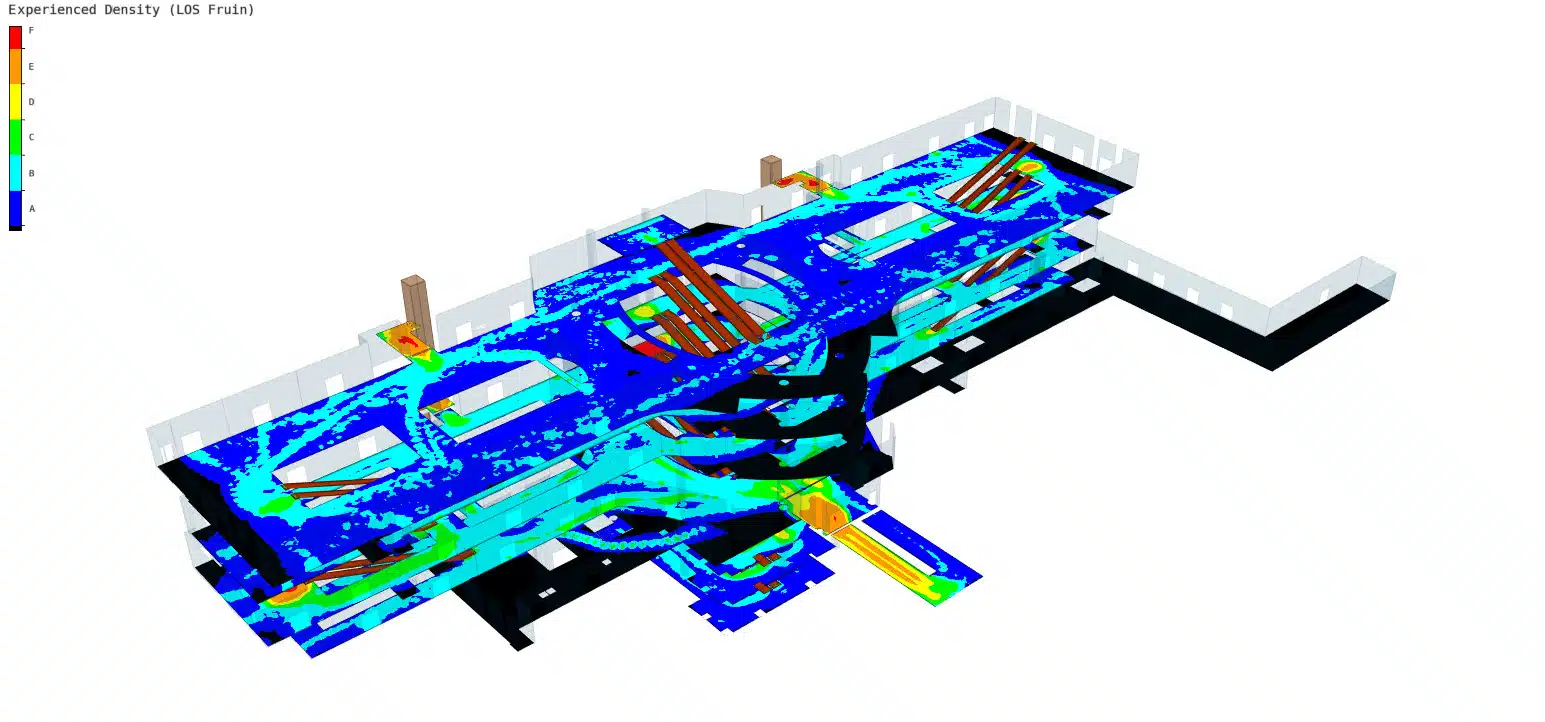
MassMotion enables you to quickly simulate multiple crowd flow scenarios tailored to project requirements and analyse results to determine key design parameters. Its crowd flow simulation capabilities help test conditions such as peak pedestrian traffic, evacuation procedures, or new design features. Results are presented with powerful visualisations like graphs, heat maps, and tables to support your findings. This allows you to communicate design advisories to stakeholders with confidence, enabling informed decision-making on necessary revisions.
Integrate pedestrian simulation into your design workflows to assess and communicate smarter, safer design decisions to your clients. It's easy to use, but how you use it is what will set you apart.


Incorporating pedestrian modelling in the early stages of your workflow means you can detect design flaws before they become issues. This proactive approach reduces costly changes and prevents potential losses due to inefficient or unsafe designs. Formulate safety strategies by visualising and analysing pedestrian flow, improving design efficiency and identifying potential safety hazards.
Optimise space utilisation by understanding and predicting pedestrian behaviour. You can model crowd movement considering bottlenecks, queue times, and wait times to maximise pedestrian satisfaction. Measurable performance indicators provide insight into how your space performs for different groups of people. For instance, designs can be tested to assess relative levels of access for mobility-impaired individuals at various entry points. The possibilities are endless. One thing is certain: by integrating pedestrian simulation, you will deliver projects that exceed expectations and keep clients coming back.
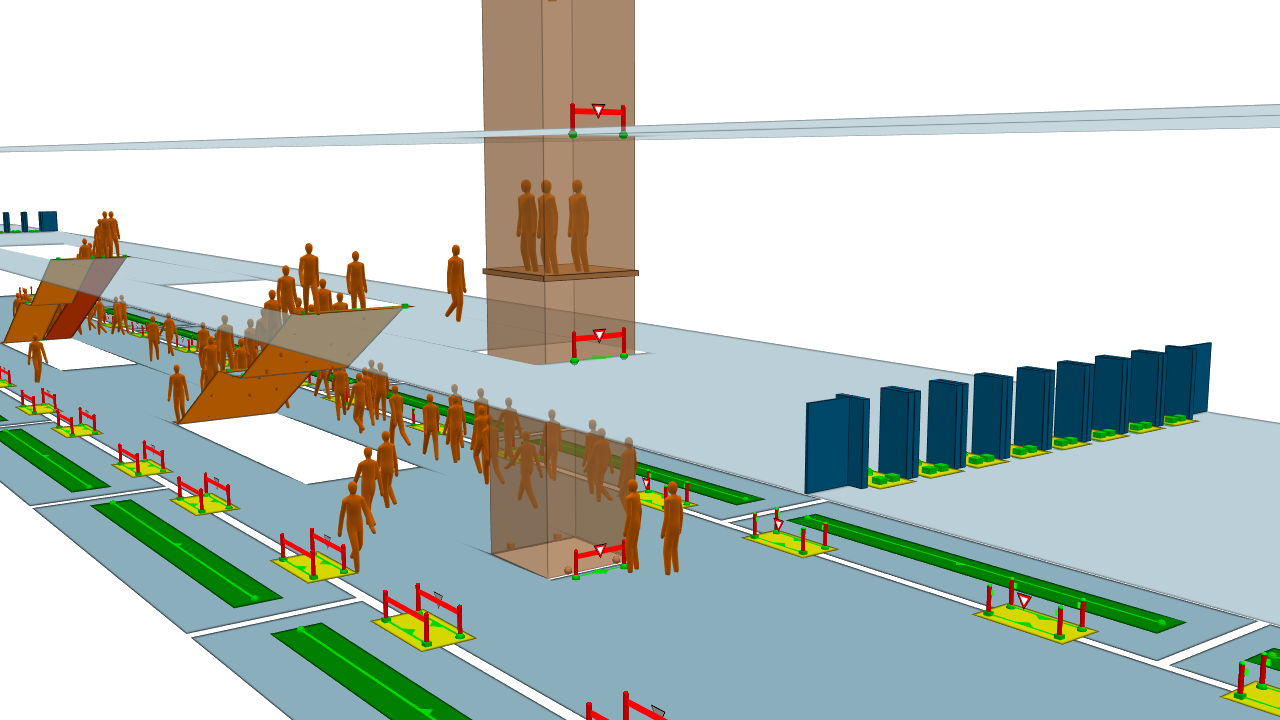
Optimising transport hub and railway station design to enhance passenger experience. Understand current travel patterns, forecast future needs, and create strategies that make transportation safer, more efficient, more sustainable, and more accessible.
The strategic process of shaping how airports and air travel systems are designed, operated, and developed to meet current and future demand. It spans everything from long‑term airport master planning to detailed terminal, airfield, and passenger‑flow design.
Designing, managing, and optimising how large numbers of people move into, through, and out of stadiums, arenas, venues, and major events. This applies to sporting events, concerts, festivals, ceremonies, and any environment where thousands of people arrive in short time windows and leave simultaneously.
Designing immersive, story‑driven environments, such as theme parks, attractions, resorts, and experiential venues, where guest experience is shaped intentionally through narrative, environment, and operational design.
The process of designing, analysing, and validating how people can safely exit a building or venue during a fire or other emergency. It ensures that escape routes are accessible, capacities are adequate, and evacuation can be completed before conditions become life‑threatening.
Architecture planning is the process of designing, optimising, and structuring the physical layout and functionality of a building or group of buildings. It defines what goes where, how spaces relate to each other, and how the building will meet human, environmental, and regulatory needs.
Urban planning is the design, organisation, and regulation of land use, infrastructure, public spaces, and the built environment in towns and cities. Commercial planning is the planning, development, and placement of commercial activities such as retail, hospitality, offices, mixed‑use districts, and economic hubs within those urban environments.
Designing and optimising spaces where learning, cultural engagement, and community enrichment happen. This includes schools, universities, museums, galleries, botanical gardens, libraries, cultural precincts, and mixed‑use community learning centres.
Discover how pedestrian simulation transforms projects worldwide and contributes to human-centric, innovative design solutions.
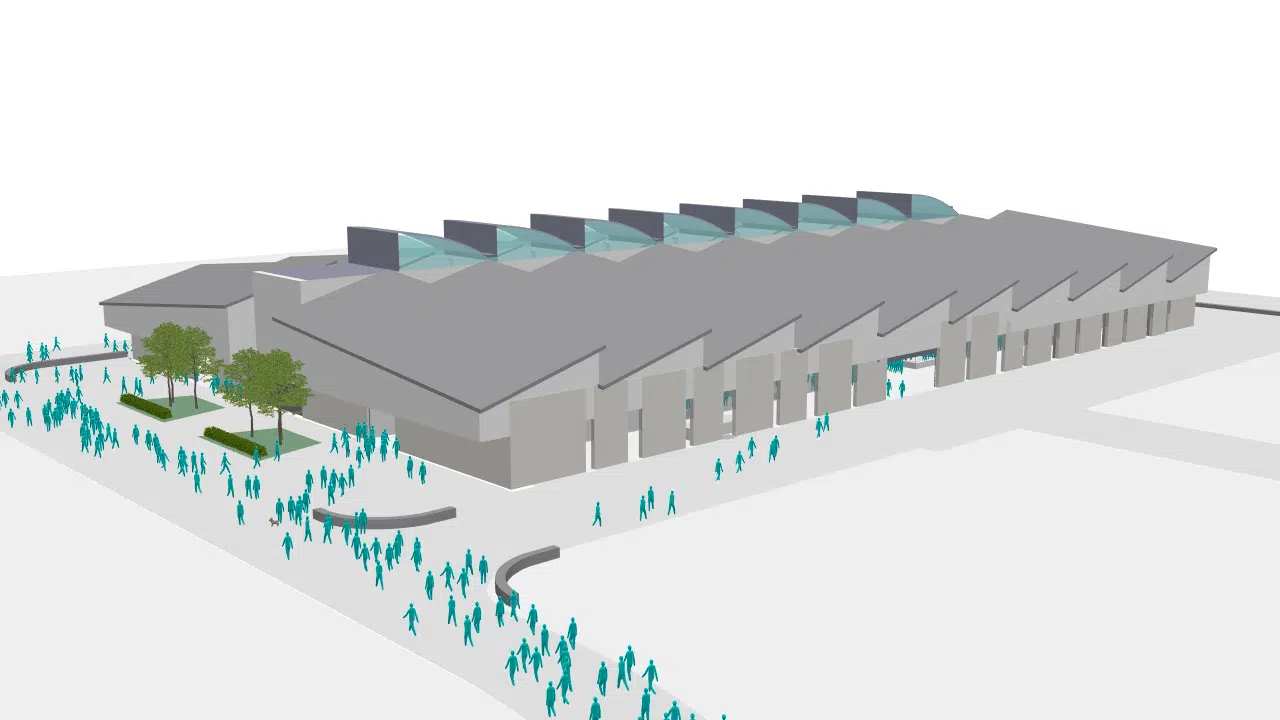
Pedestrian simulation
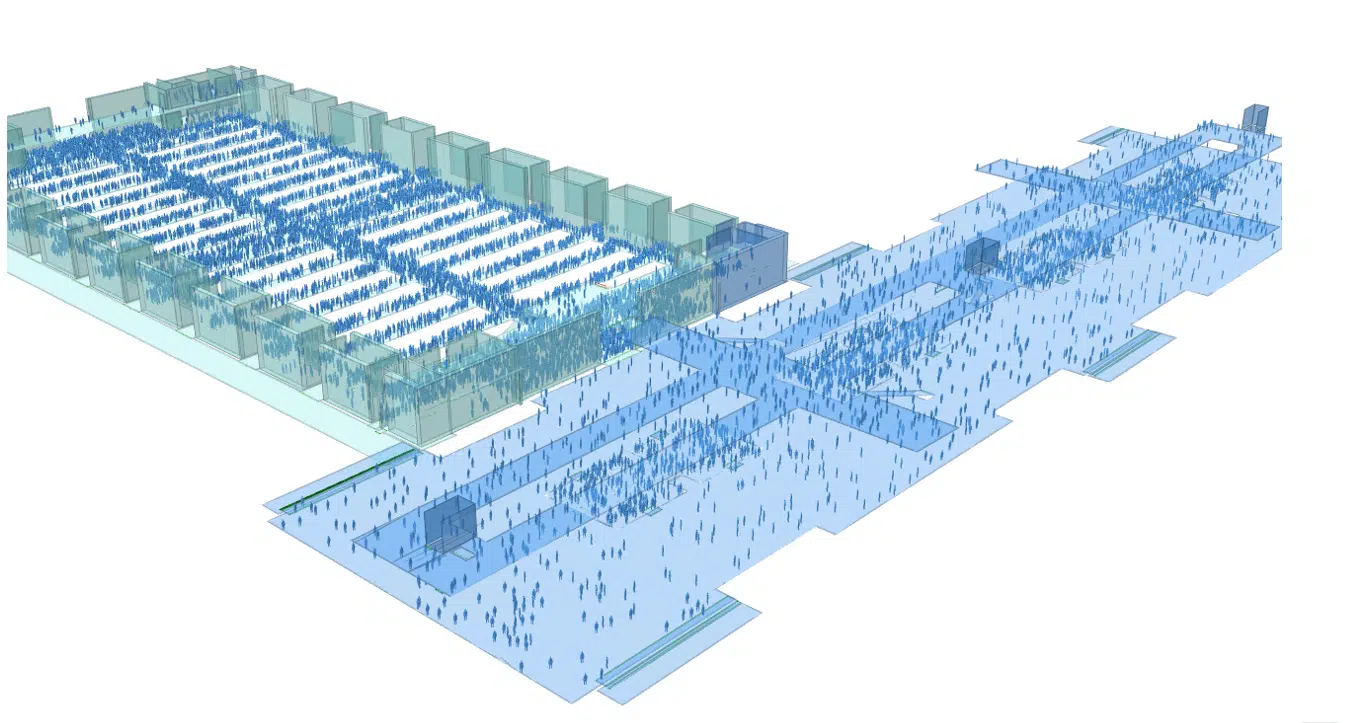
Pedestrian simulation
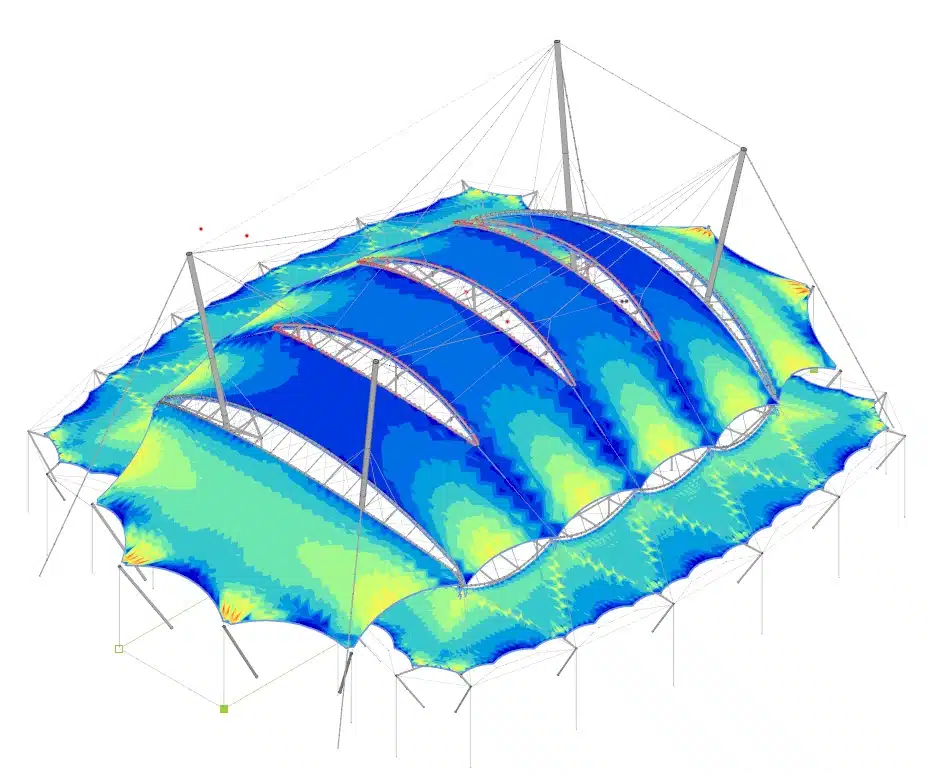
Structural engineering
Learn from in-house experts and MassMotion champions and stay updated on the latest trends and tips in pedestrian simulation and crowd flow analysis.
Pedestrian simulation
Posted September 3rd 2026
Pedestrian simulation
Posted July 17th 2026
Pedestrian simulation
Posted November 3rd 2025