This summer marks a pivotal moment for inclusive design across the European Union, as the European Accessibility Act (EAA), first approved in 2019, officially came into force on the 28th of June 2025. The directive aims to harmonise accessibility standards across internal markets, removing barriers created by divergent member states and ensuring that essential products and services are accessible to all, particularly the over 100 million EU citizens living with disabilities.
The EAA mandates accessibility across a wide spectrum of sectors, including public transport, financial services, digital platforms, emergency communications, and public buildings. It introduces unified requirements for perceivability, operability, and understandability, ensuring that both physical and digital environments are designed to accommodate diverse needs.
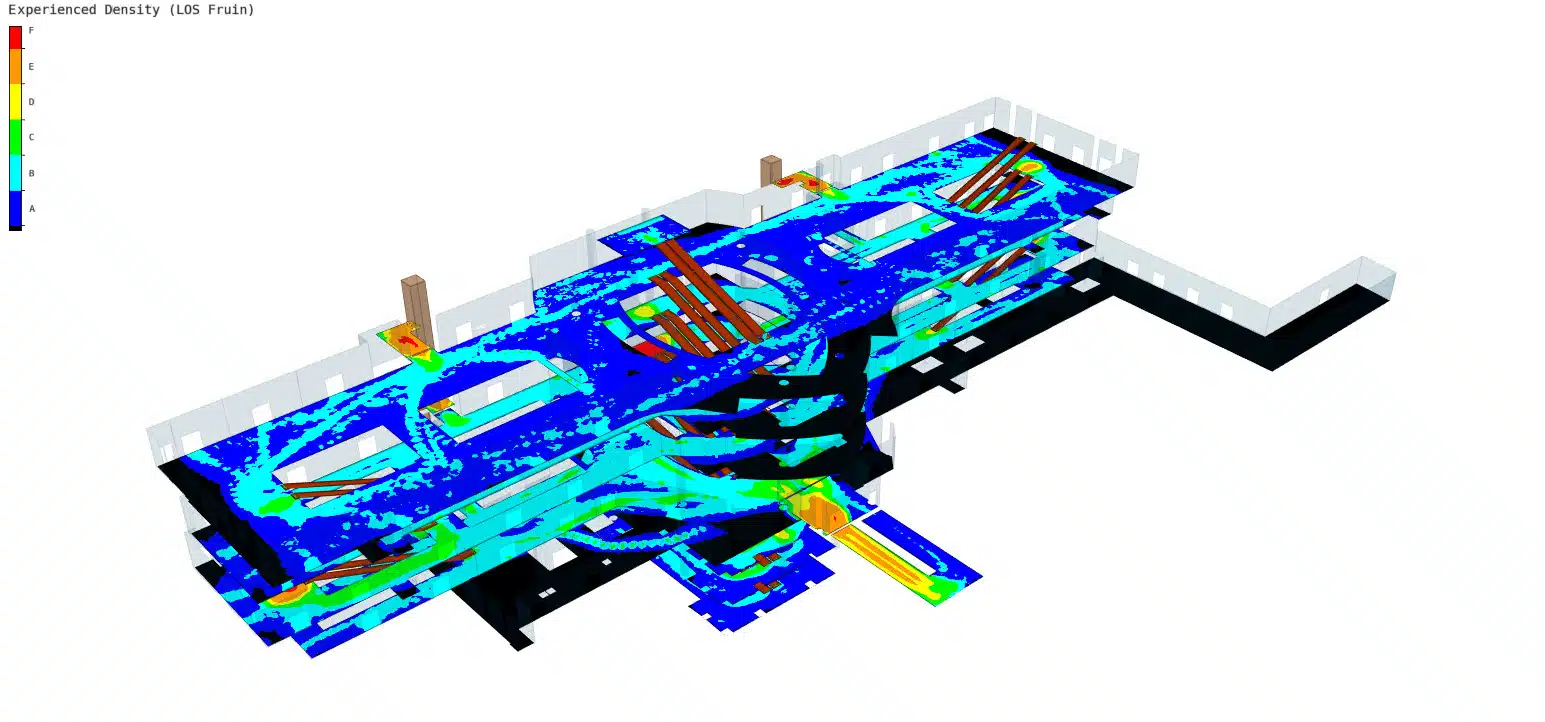
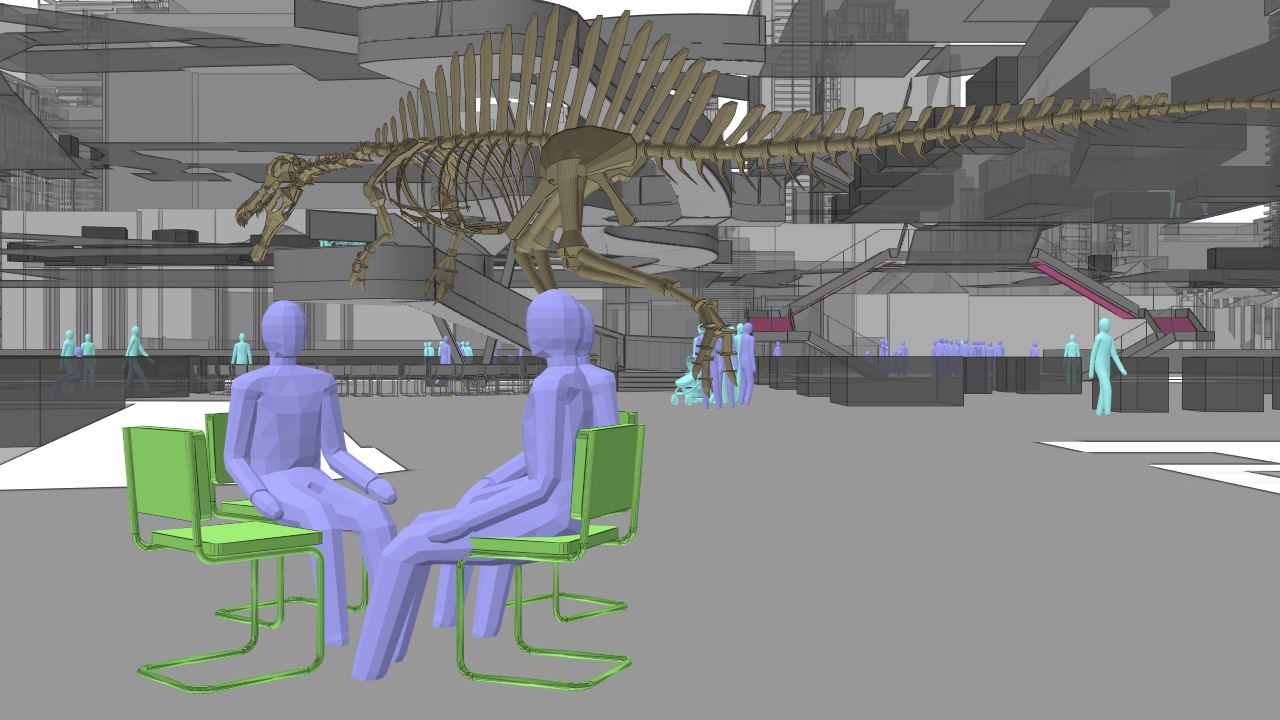
For planners and designers, these changes underscore the importance of integrating accessibility from the earliest stages of development. Digital tools like Oasys MassMotion, are uniquely positioned to support this transition. By enabling detailed modelling of human movement through built environments, tools like this help you to evaluate, optimise and then communicate accessibility in spaces to stakeholder ranging from transport hubs to cultural venues ensuring compliance with the EAA while fostering truly inclusive design.
This article will explore some of the environments impacted by the new accessibility regulations and how MassMotion can support designers in placing accessibility at the heart of the design process.
Transport
Mobility within our urban and residential areas begins with transport. From bustling transit hubs to rail stations running like clockwork, we all depend on reliable, interconnected systems to get where we need to go.
Now, imagine your usual bus stop is suddenly moved 20 minutes farther away. You’d probably need to wake up earlier, walk faster, maybe skip breakfast… small but frustrating adjustments. Now imagine facing that same change in a wheelchair. That extra 20 minutes could mean navigating uneven pavements, searching for dropped kerbs, avoiding steps, or even rerouting entirely because of inaccessible infrastructure.
What’s a minor inconvenience for one person can become a major barrier for another.
Inclusive design ensures that these barriers are considered from the outset, so that everyone, regardless of ability, can move through our cities with equal ease and dignity.
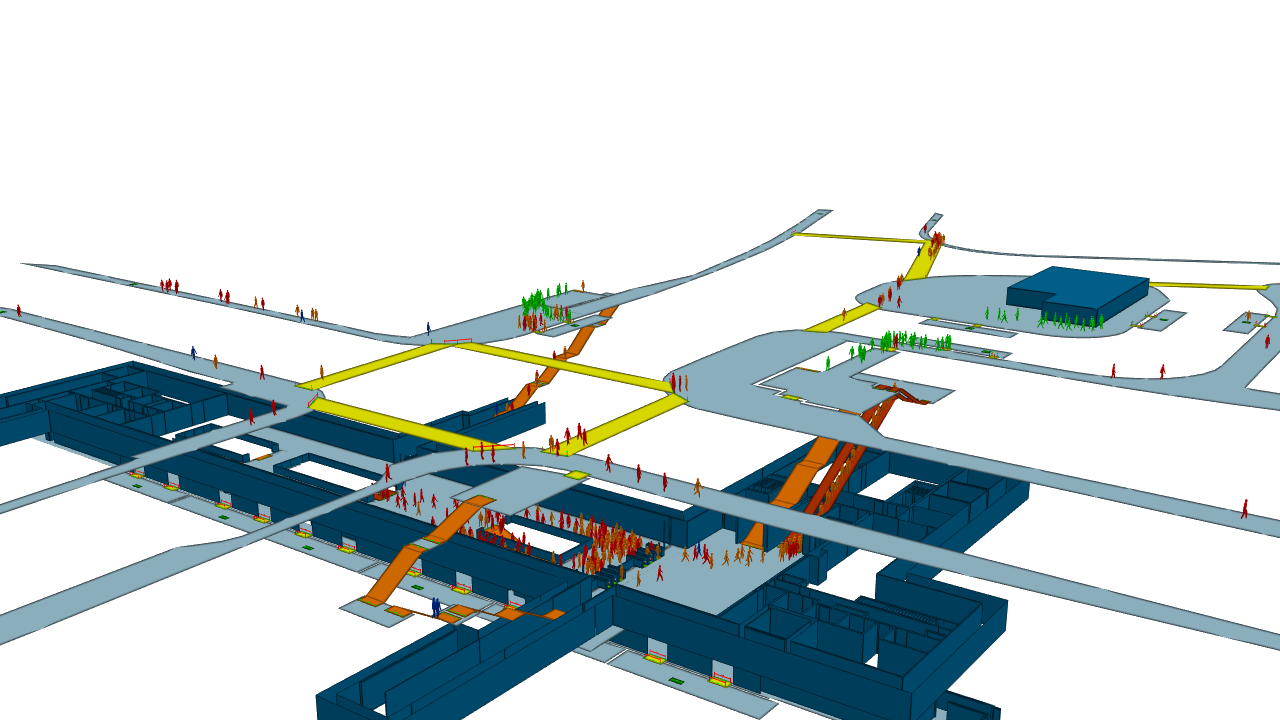
MassMotion has been used globally to optimise station and terminal layouts, including the design of major transit hubs that connect communities. Traditionally, designing for the built environment has focused on three core principles: efficiency, safety, and user experience. With the introduction of the new EAA, a fourth pillar, accessibility, must now be central to every design decision.
Urban and retail
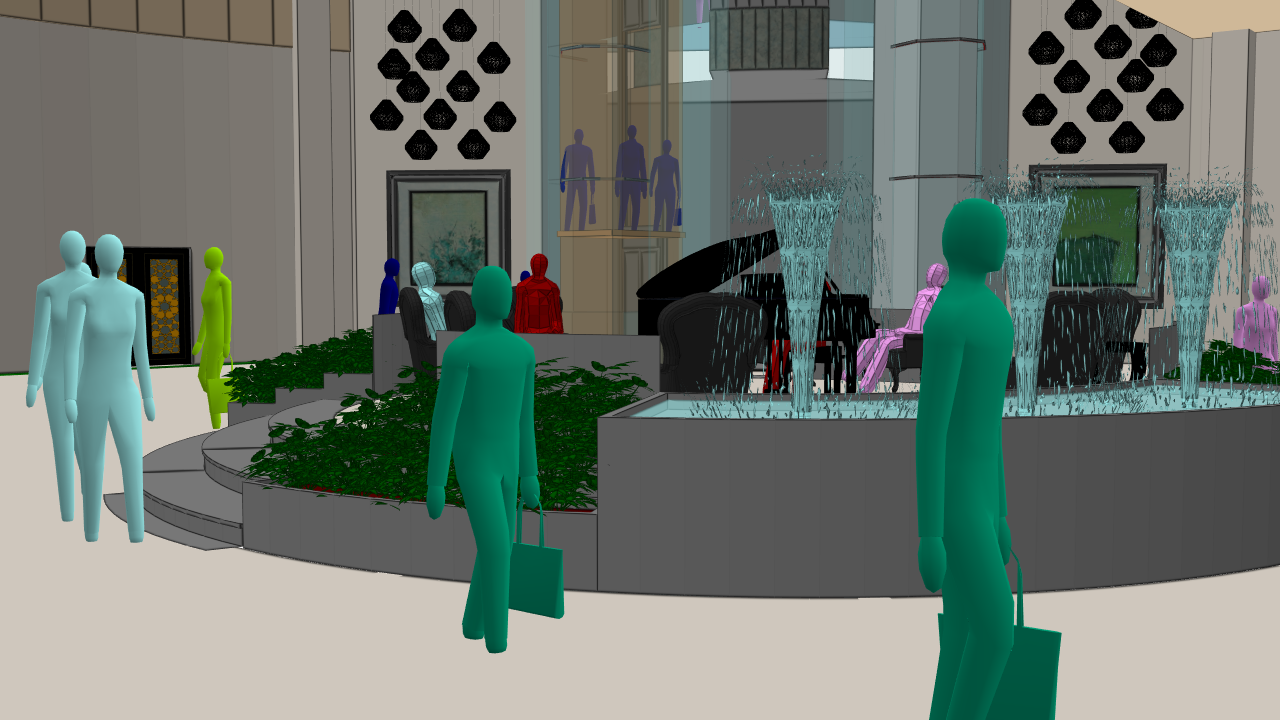
MassMotion empowers planners and designers to embed inclusivity from the outset. By simulating real-world pedestrian movement, including the behaviours of people with reduced mobility, it enables teams to evaluate how individuals navigate buildings and public spaces. This data-driven insight helps you to effectively communicate design changes to stakeholders ensuring access is granted before a single brick is laid.
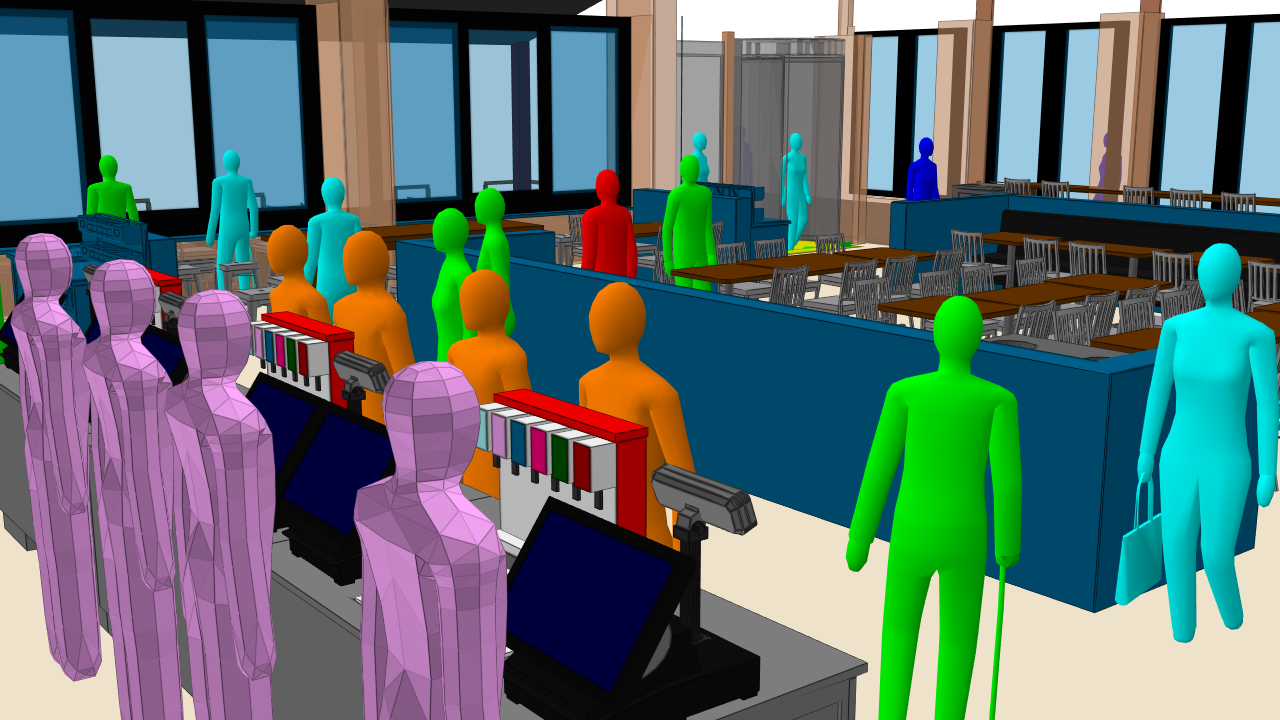
Once you’ve arrived in the city, accessing shops, bars, and restaurants should be just as seamless as the journey itself. Elevators, escalators, and ramps can be incorporated into MassMotion simulation models to ensure accessibility for people with reduced mobility.
The pedestrian simulation industry’s first Software Development Kit (SDK) offers full control over advanced algorithms, simulations, and agent behaviours. This enables you to accurately replicate real-world scenarios for diverse individuals, groups, and communities, helping you meet client needs with confidence.
Hospital and medical facilities
During the Covid-19 pandemic, access to public spaces was restricted for everyone, leaving vulnerable individuals more isolated in their homes than ever before. As social distancing measures were introduced to support essential activities, such as attending hospital appointments, healthcare facilities faced numerous challenges in ensuring safety for all.
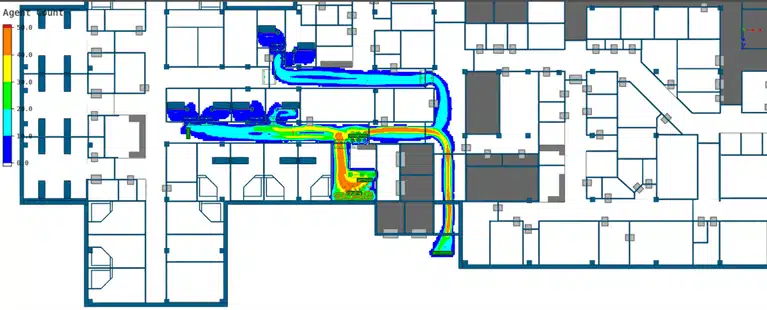
With winter 2020 approaching, a period typically marked by a surge in hospital admissions, Whittington Emergency Department turned to Arup for pedestrian simulation analysis using MassMotion to assess how they could safely manage the seasonal influx of patients while maintaining social distancing. This project highlights the power of pedestrian simulation in designing spaces that are both inclusive and operationally efficient. Read the case study to learn more.
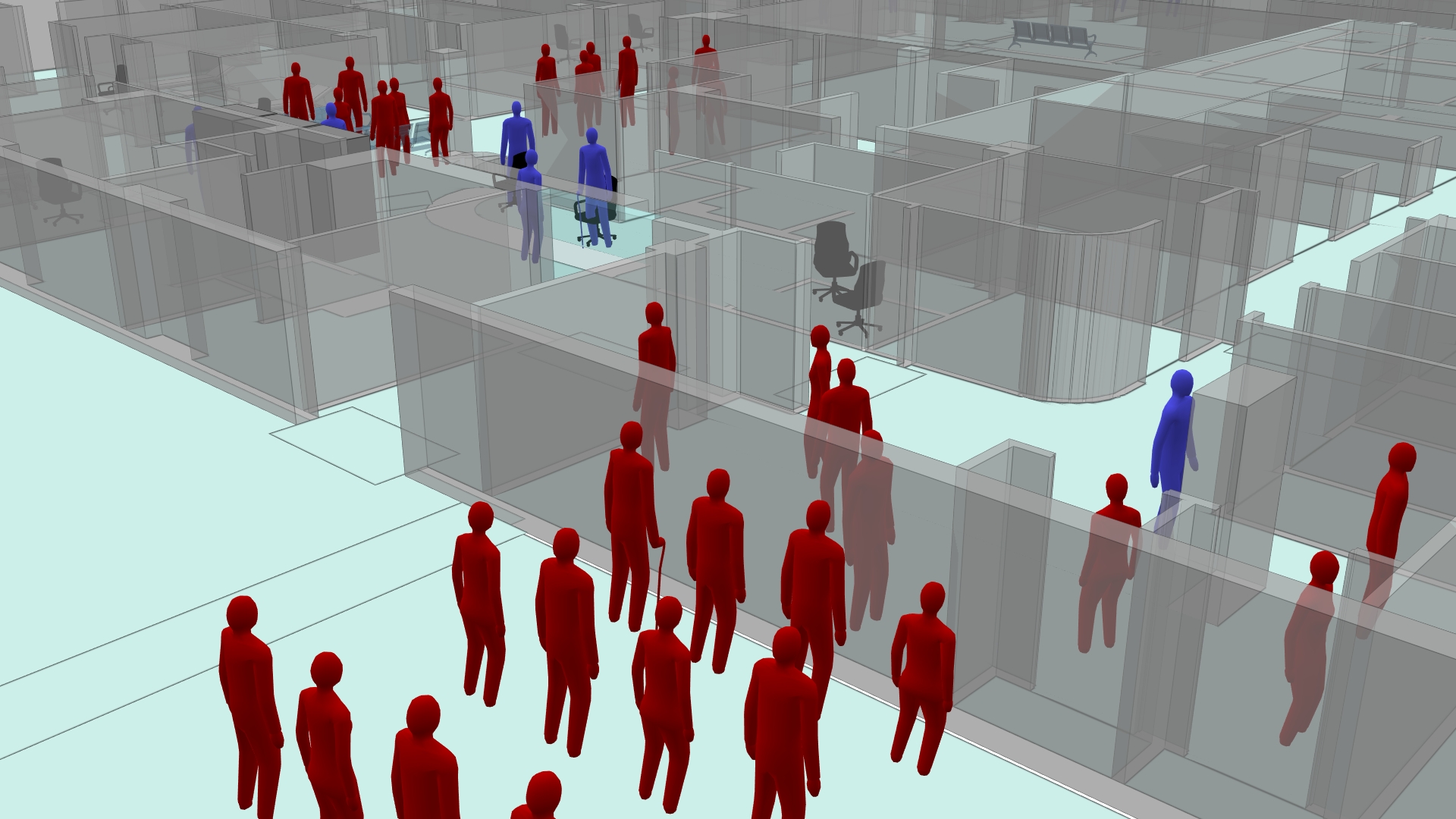
A compelling example of this need for inclusive design comes from a research initiative led by Brunel University London. The study focused on developing resilient healthcare environments using advanced computer simulations. MassMotion was employed to evaluate congestion and the associated risk of hospital-acquired infections.
In the 2022–23 academic year, Dr. Tang introduced a significant challenge to the Master of Engineering (MEng) cohort, centred on Equity, Diversity, and Inclusion (EDI): designing evacuation procedures for patients with mobility impairments during fire emergencies. This initiative addressed a critical yet often overlooked aspect of healthcare planning, underscoring the importance of inclusive design that considers the needs of all individuals, especially the most vulnerable. Explore the full case study to find out more.
Themed entertainment and events
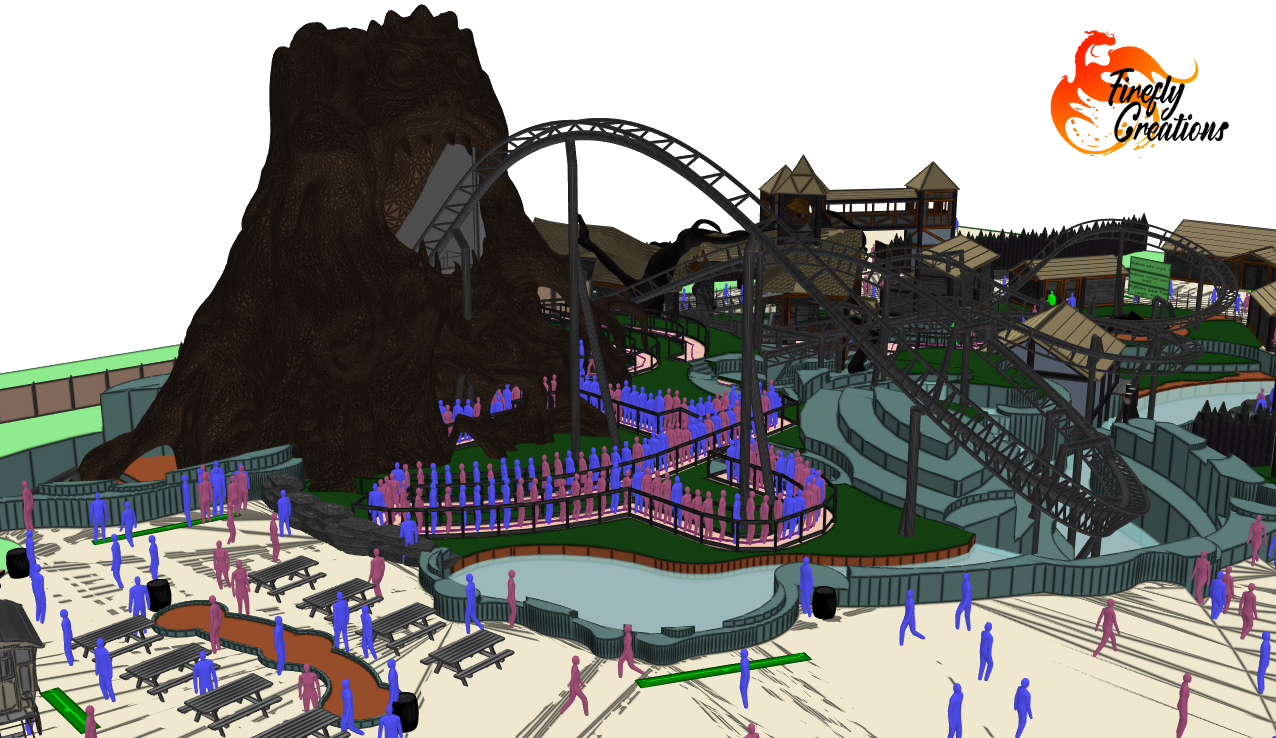
Accessibility is not just compliance; it's about enhancing guest experience. Drawing upon expertise from Denise Schaberg, Senior Project Manager/QA at PGAV Destinations in the article ‘Navigating New Accessibility Regulations’, she shares regulatory expertise with a designer’s perspective to meet accessibility expectations and improve pedestrian experience.
Denise offers insight into how the new regulations affect attractions, such as accessible entry systems, inclusive ride design sand how clear wayfinding is crucial being complaint with accessibility standards. She notes that designs that include multi-sensory wayfinding such as changes in height or shape that guide users intuitively are required to ensure parks and attractions focus on everyone's experience within a park. She makes clear that, “-disabilities are a range and unique to the individual”, reinforcing the need for inclusive designs that provide spaces for all.
Read the article to learn more.
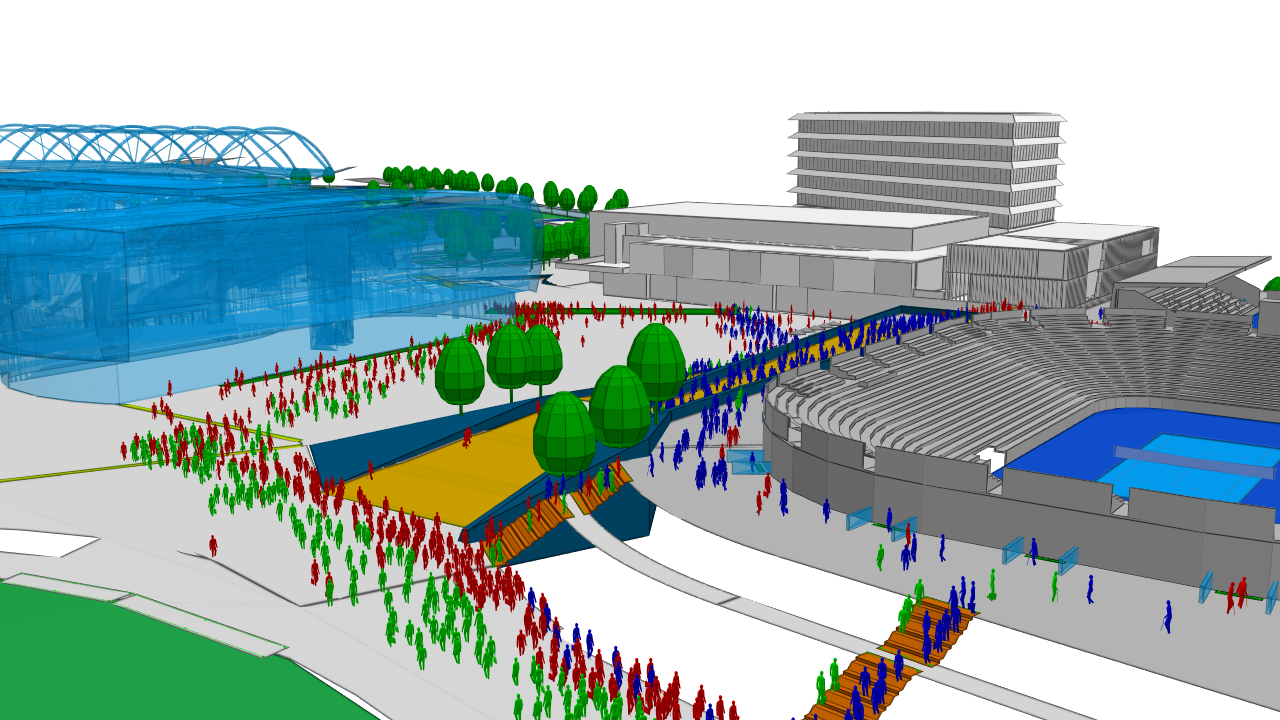
Tools like MassMotion can help designers ensure compliance by enabling them to visualise and optimise inclusive environments before construction begins. Designers can simulate accessible routes and crowd flow for people with varying mobility needs, test the effectiveness of wayfinding using visual cues, and evaluate emergency egress scenarios for all users. These capabilities support the creation of environments that are both inclusive and enhance overall guest experience.
Prioritising accessibility and guest experience in your designs has never been easier. The Static Accessibility Map query provides measurable performance indicators, enabling you to compare design options and communicate effectively with stakeholders. It also helps you evaluate different route choices, offering insights into how your space performs for diverse individuals and communities. For example, you can assign accessibility profiles to specific agents and include ramps that only they can use. This allows you to simulate how guests with varying abilities navigate parks and attractions, helping you understand the impact on overall guest flow.
Pedestrian simulation software
Oasys MassMotion
Learn more about the world’s leading pedestrian simulation modelling software that helps deliver successful project outcomes.