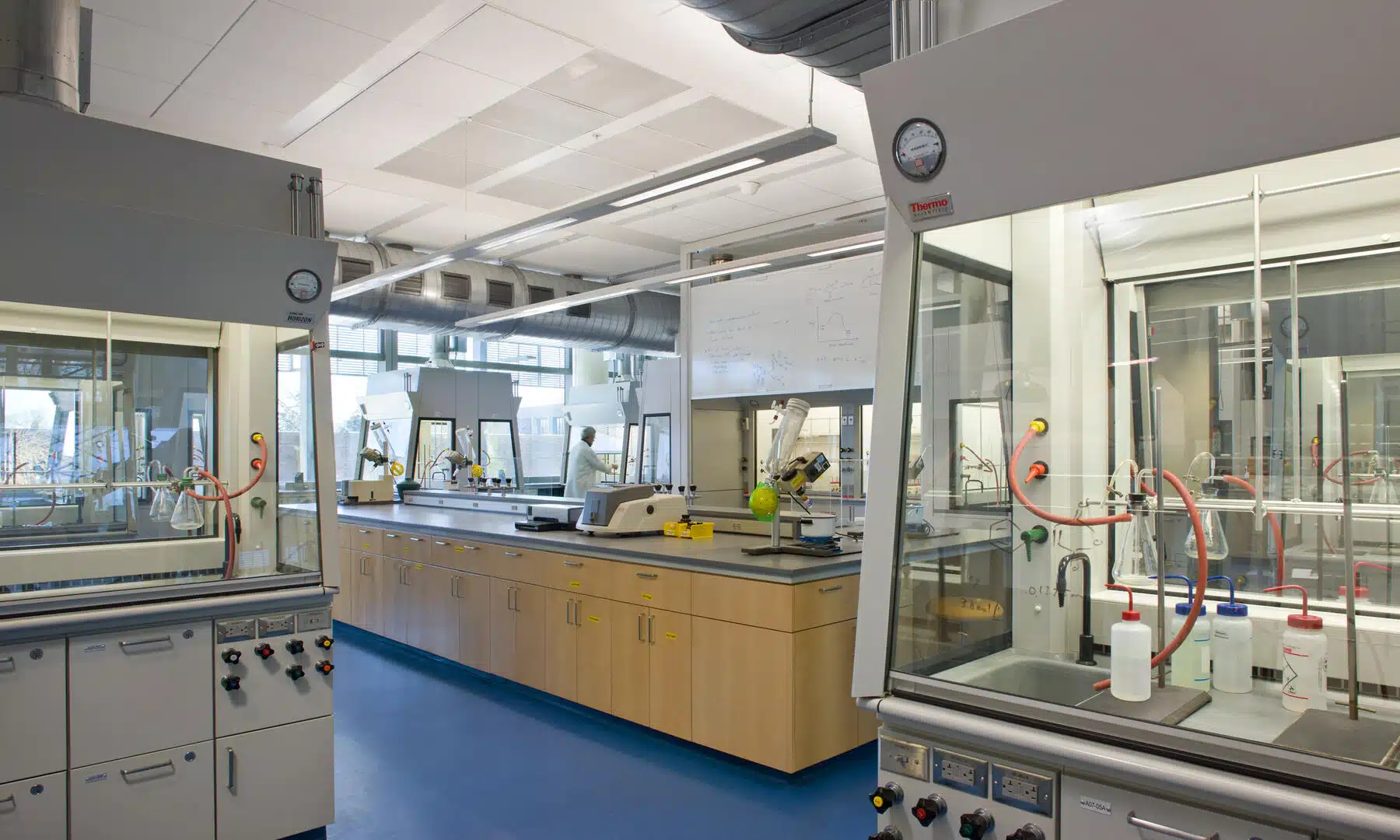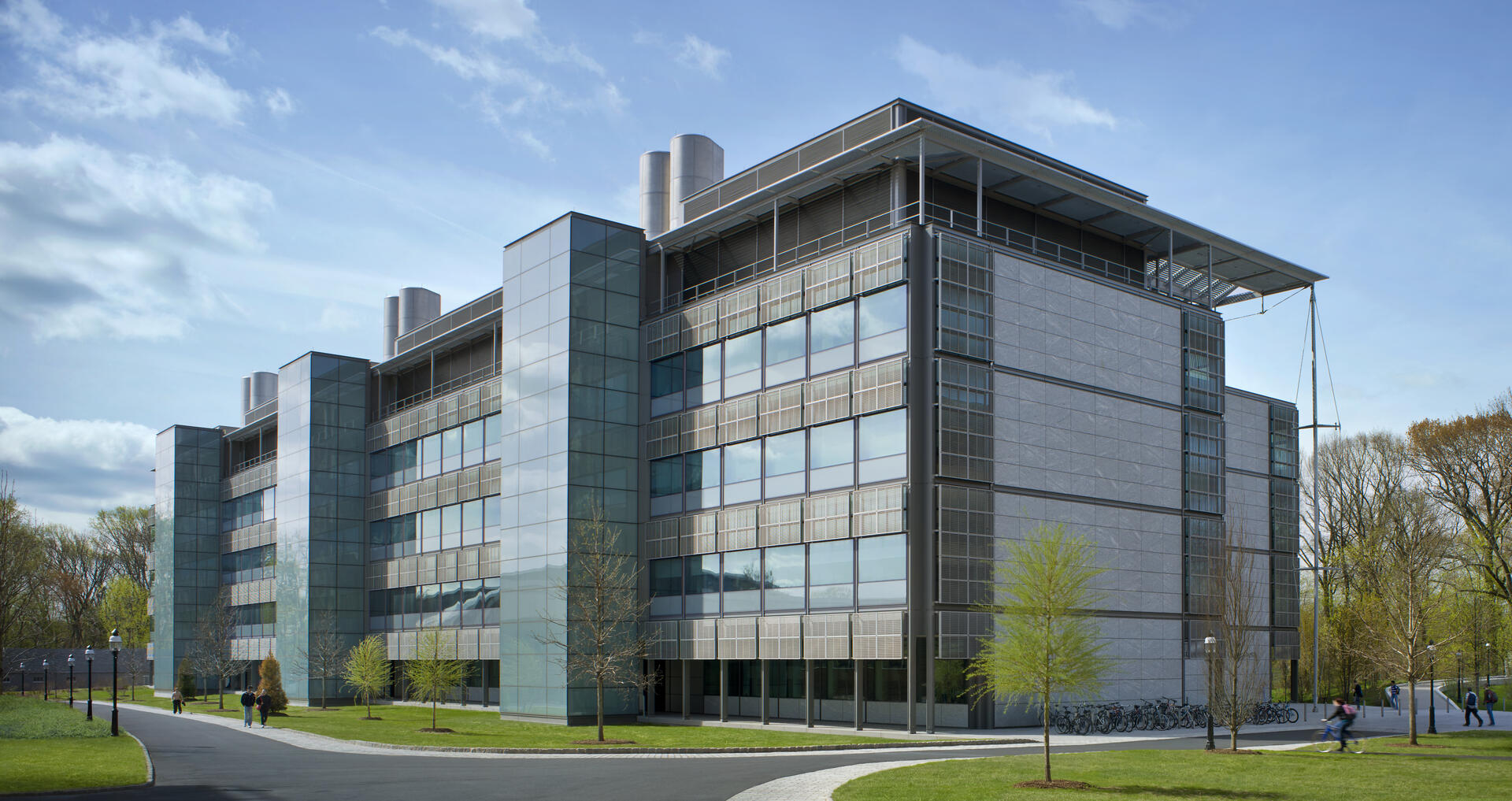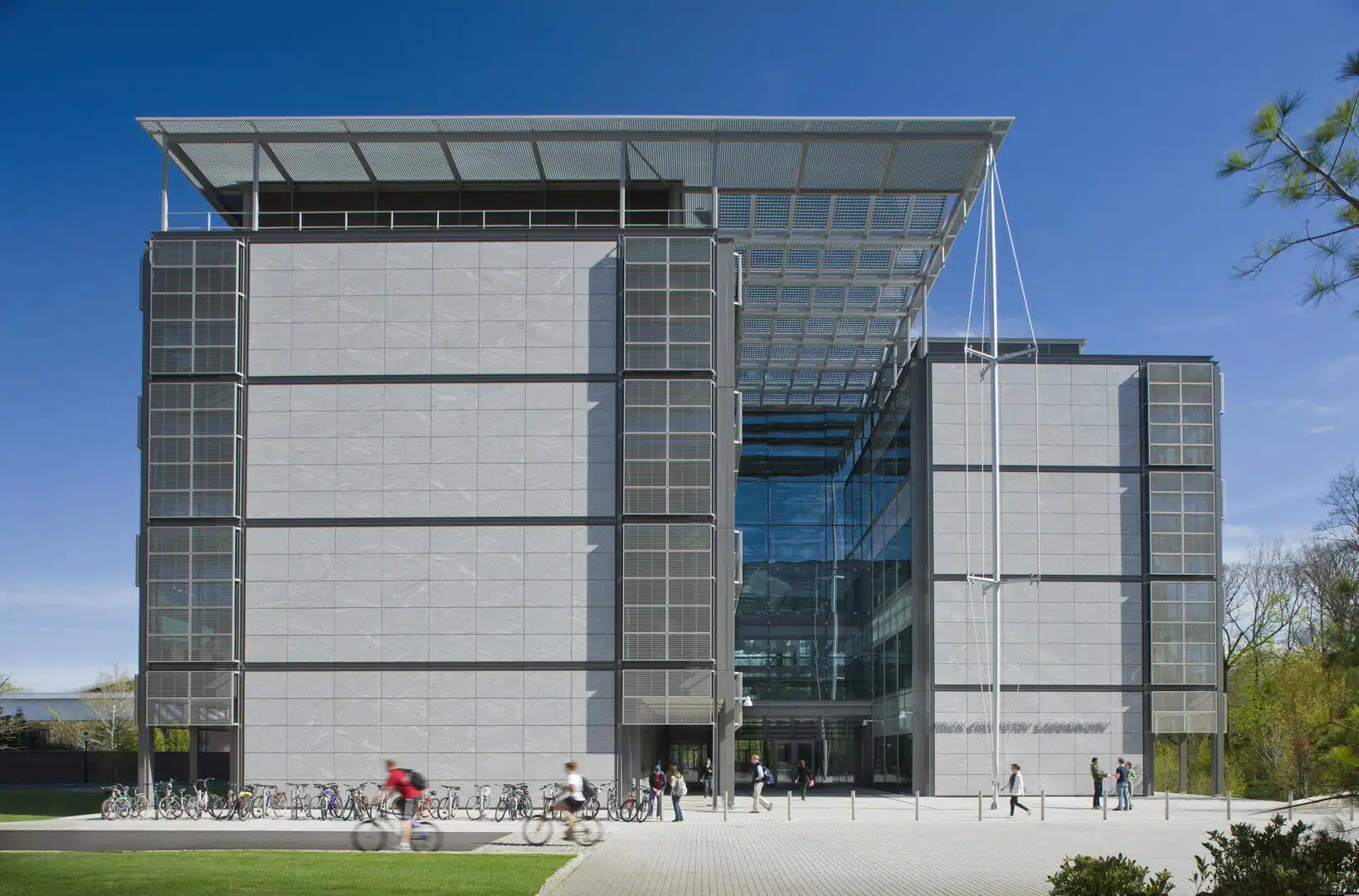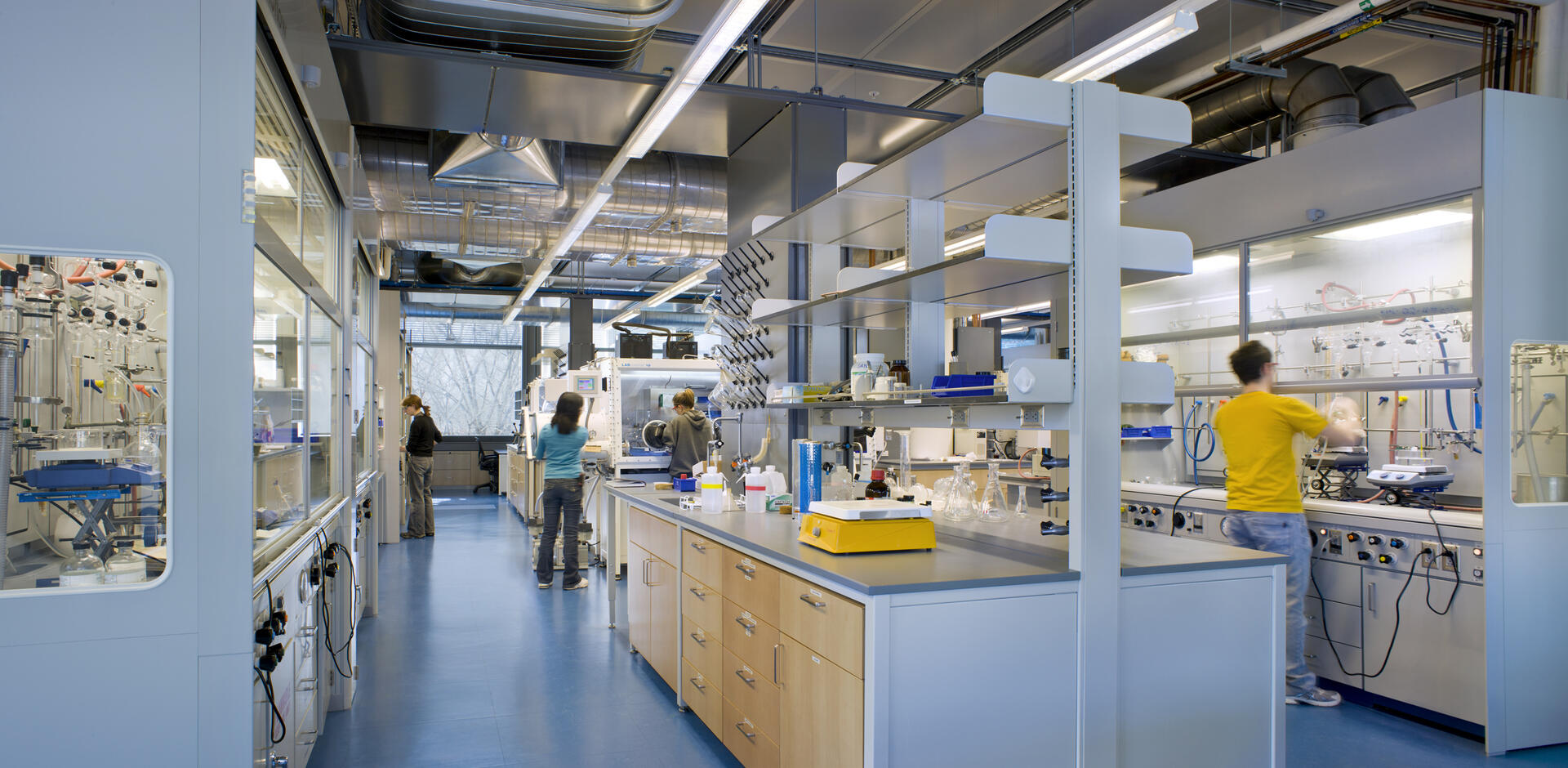
Arup’s multidisciplinary design for Princeton University’s new Frick Laboratory had to meet major challenges, balancing the rigorous vibration and cleanliness requirements with the University’s sustainability plan. At 24,620m2 the $280M laboratory is the second largest building on the campus, designed to accommodate up to 360 researchers in two fours-storey wings separated by a glass-roofed atrium running the full length of the building.
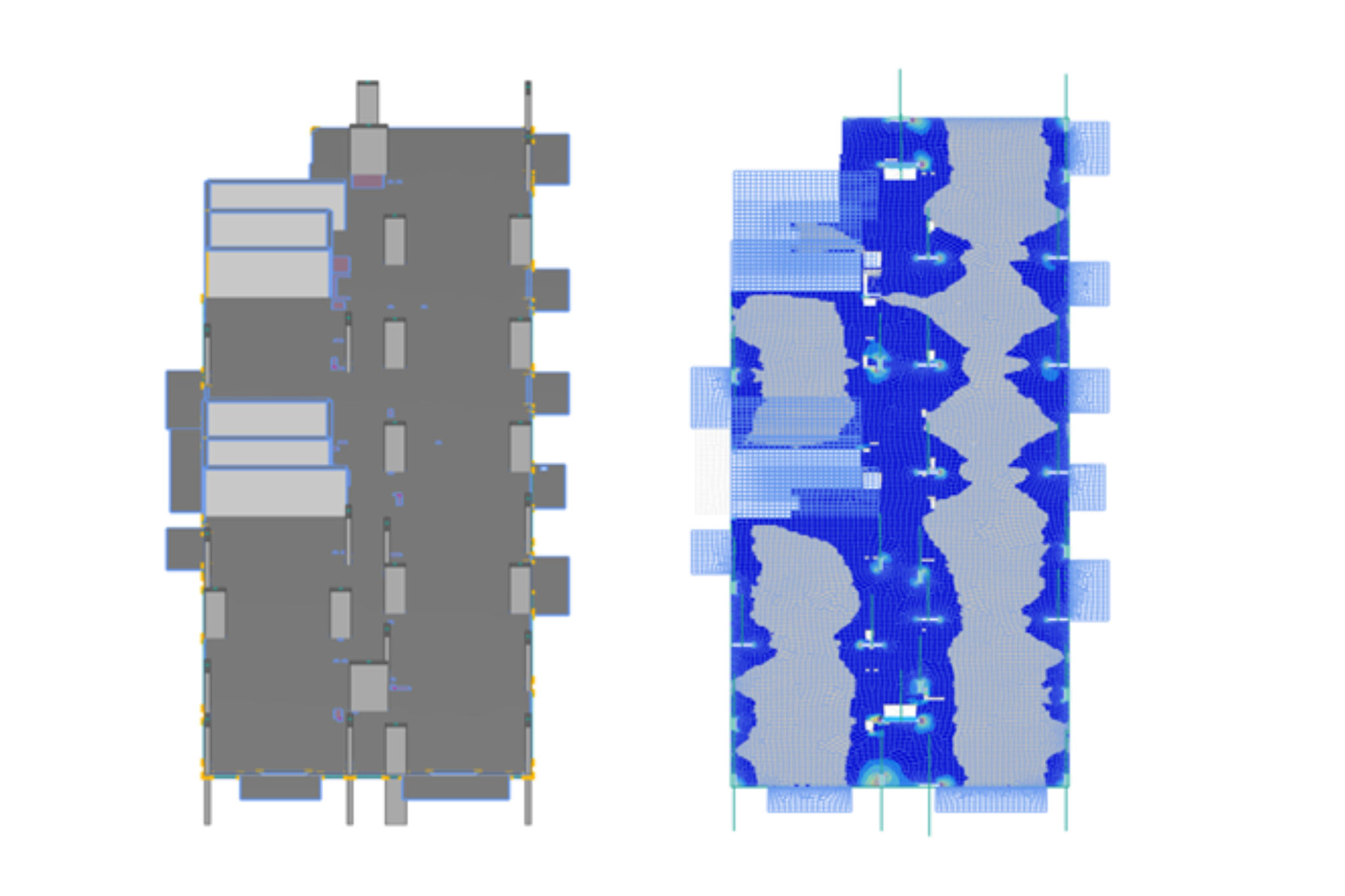
Apart from the usual ultimate and serviceability design requirements, vibration was a major design criterion in the research laboratories, where experiments are conducted using microscopes, lasers, and other sensitive equipment. Each unique laboratory was categorised according to its tolerance to vibration, which helped to define the best locations for sensitive and ultra-sensitive equipment. Some, such as the electron microscopes and NMR imaging devices, require vibration levels many orders of magnitude below the threshold of human perception. These were segregated to the basement, where extremely low floor vibration levels could be provided.