The Haymarket project in Edinburgh, commissioned by M&G Real Estate with QMile Group and designed by Foster + Partners, is a testament to innovative engineering and architectural excellence. Engineered by Arup, this mixed-use development includes two hotel buildings and three office buildings with associated ground floor retail units. The project, set for completion in early 2025, has already received a commendation at the Structural Steel Awards and award winners for the Scottish IStructE Awards. This highlights the achievement of efficiency through innovative design and software integration.
Located in the west end of Edinburgh, the Haymarket site is complex and constrained. Buildings B4 and B5, which form part of this development, are eight-storey office structures featuring a full-height glazed atrium and a basement designed for cycle storage and car parking.
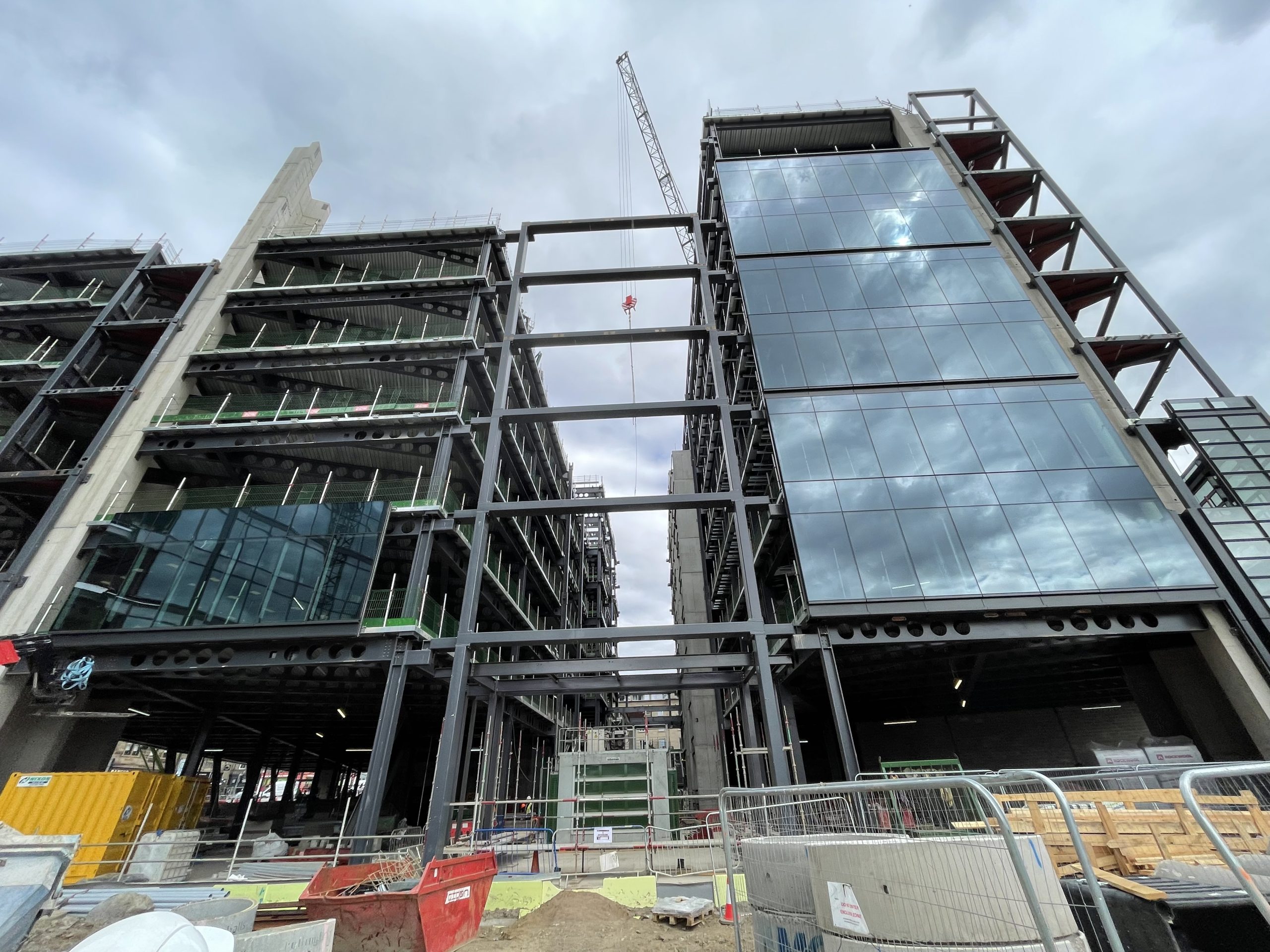
The site’s complexity is heightened by the presence of two Victorian railway tunnels operated by Network Rail, running beneath Building B5. These tunnels carry the main lines between Edinburgh and Glasgow and routes to the north of Scotland. The design approach aimed to maximize the building volume over the tunnel, ensuring buildable design solution that controlled any possible risks.
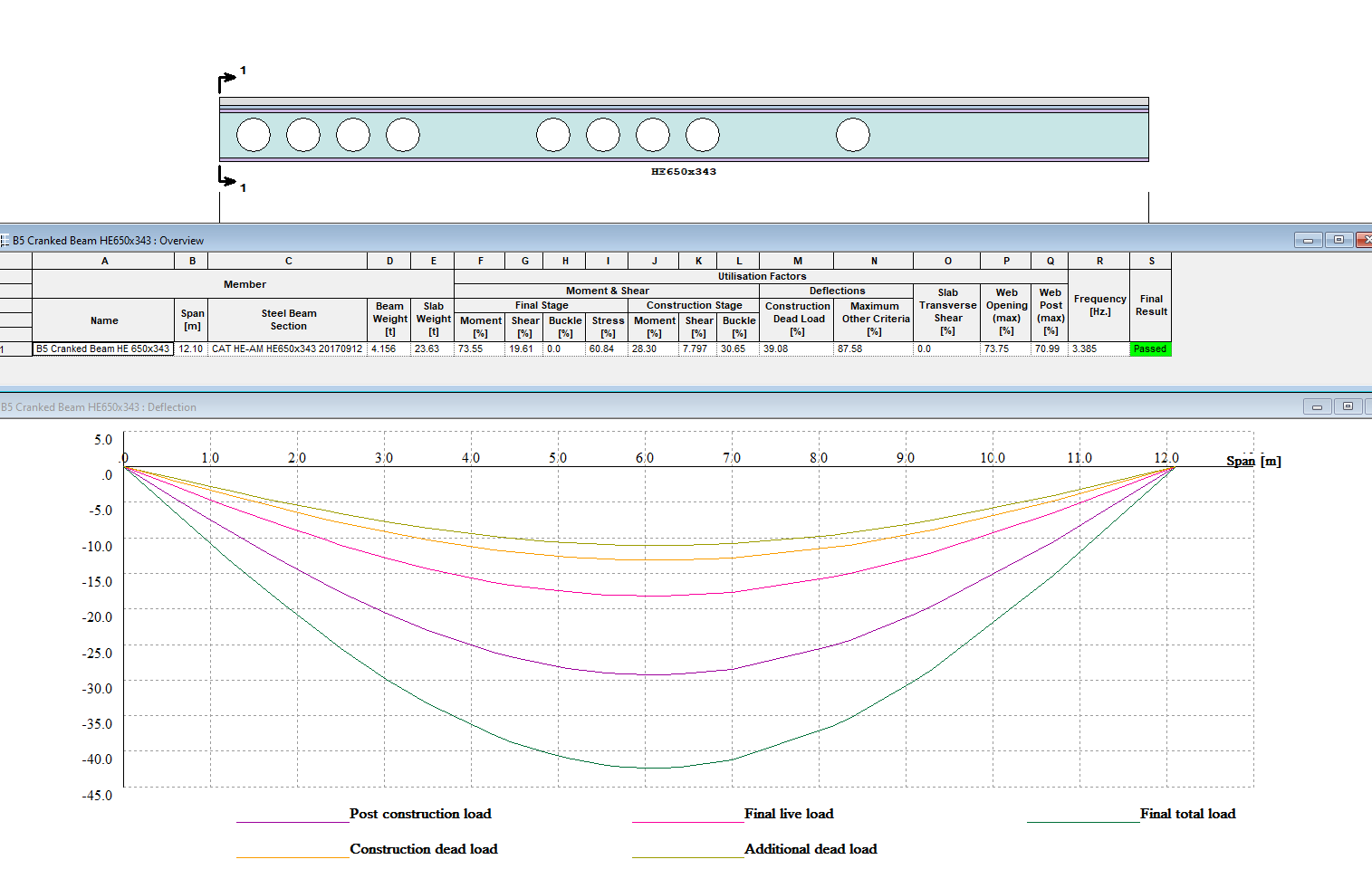
The primary structural frame of both buildings consists of cellular beams supporting a composite metal deck slab. This design allows for longer spans of up to 16 meters, integrating the service and structural zones to minimise floor-to-floor height. An engineering-led approach was essential to maximise the building volume above the tunnels while ensuring the design was both buildable and safe for the railway during construction and throughout the building’s lifespan. The minimal cover above the tunnels restricted construction loading, necessitating the use of a mini piling rig. Inclined columns were employed to reduce the load between the tunnels from the superstructure, allowing for additional floor levels. This innovative solution avoided the need for a transfer structure and utilised a Vierendeel façade truss to provide additional floor area where the site boundary and tunnel alignment would otherwise not permit.
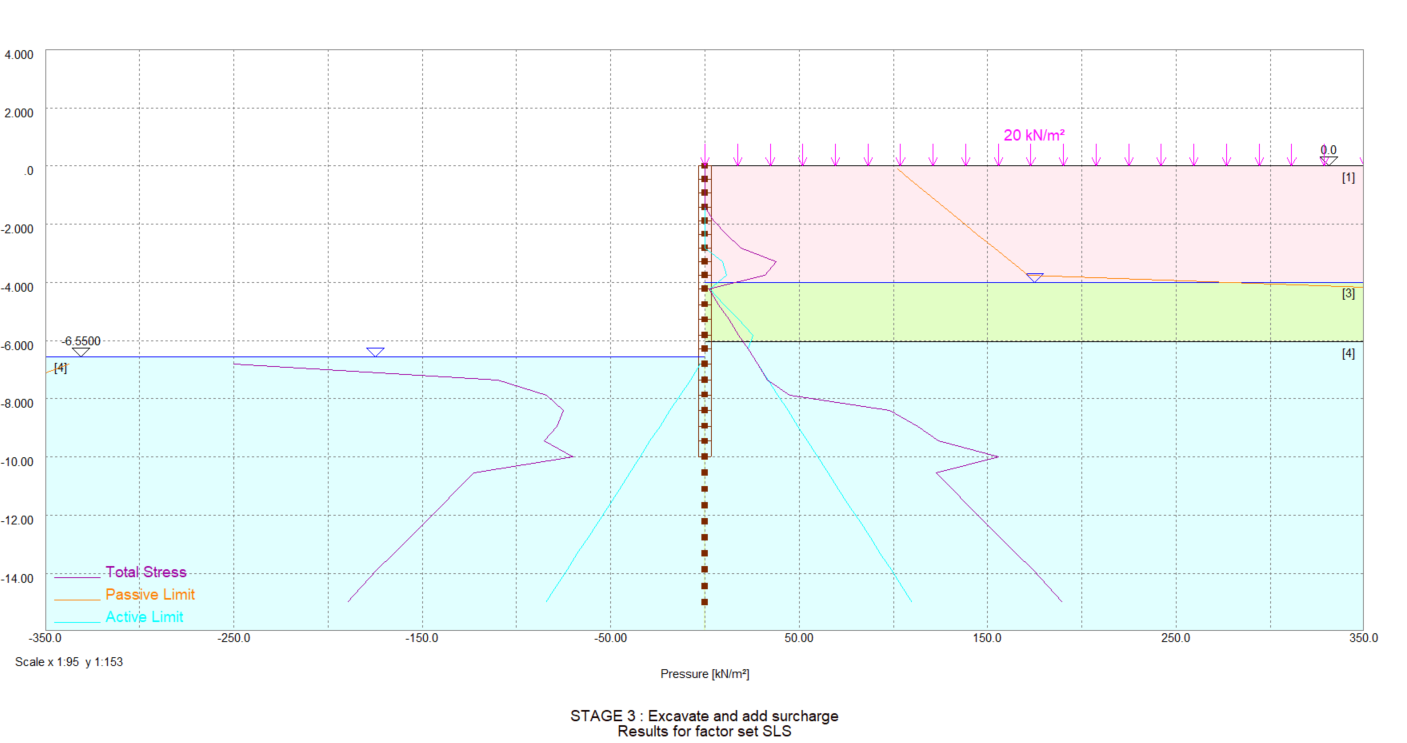
The single-storey basement was constructed using a contiguous piled wall along the northern, eastern, and southern edges, constrained by the site boundary and tunnels. On the western side, where space allowed, traditional open-cut reinforced concrete retaining walls were used.
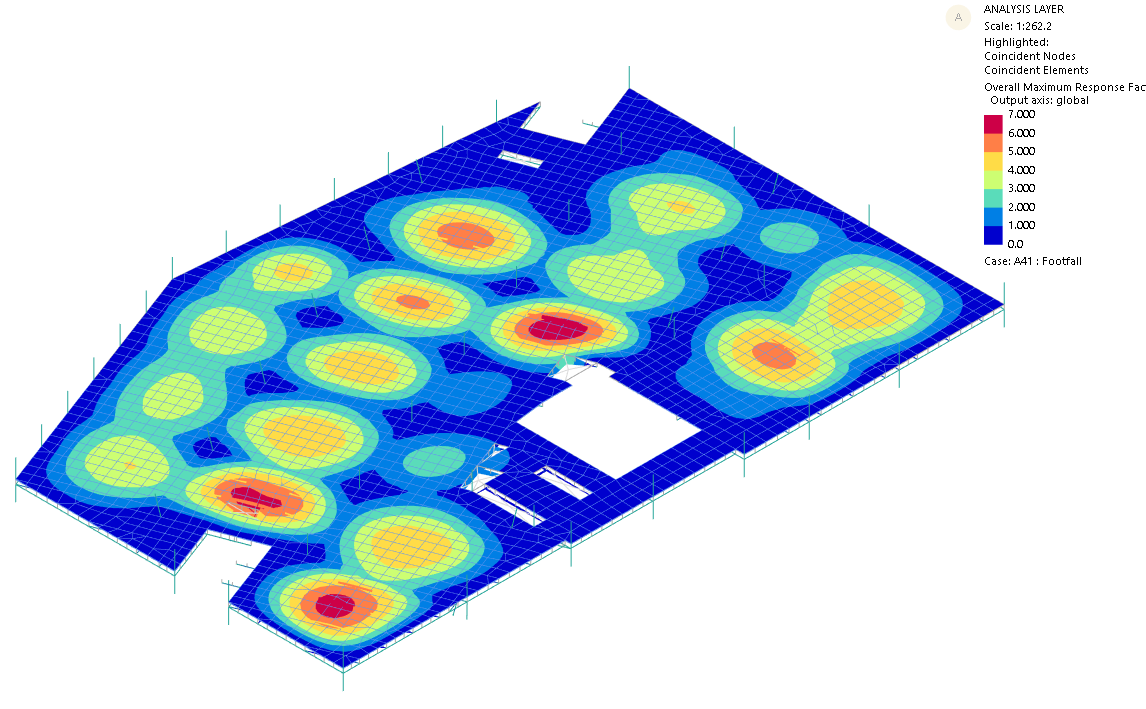
Sustainability was a key consideration in the project. The use of cellular beams and composite action with the slab minimised steel weight. Additionally, innovative cross beams were used to meet footfall-induced vibration criteria, avoiding the standard approach of increasing mass or stiffness.
The project faced significant challenges due to the constrained site and the presence of the railway tunnels. However, these challenges were met with innovative engineering solutions, such as the use of inclined columns and a Vierendeel façade truss to manage loads and maximise floor area.
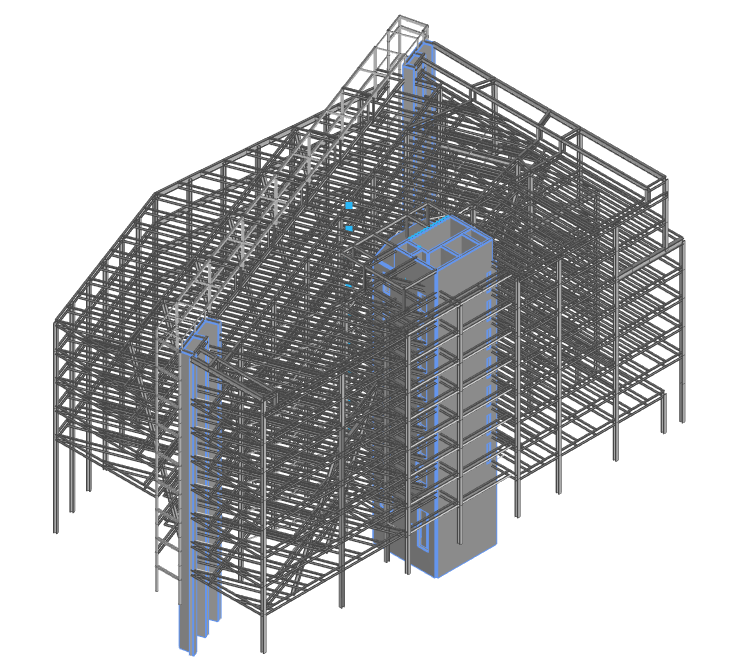
With the many challenges presented and steel and concrete being the chosen materials for the Haymarket B4/B5 project, it was clear that a collaborative approach with Oasys software would play a crucial role in the design and analysis process.
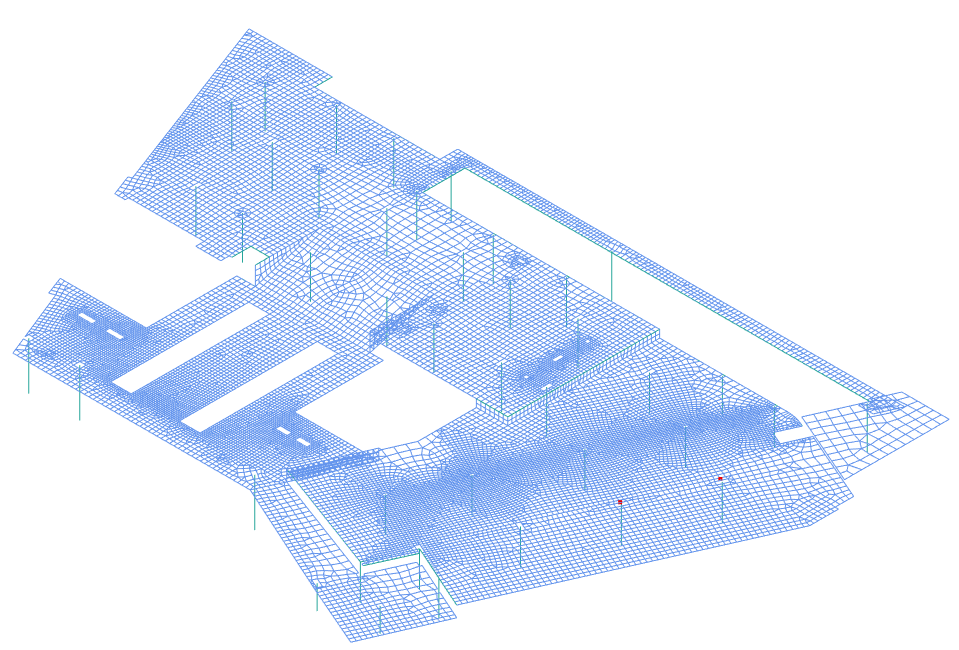
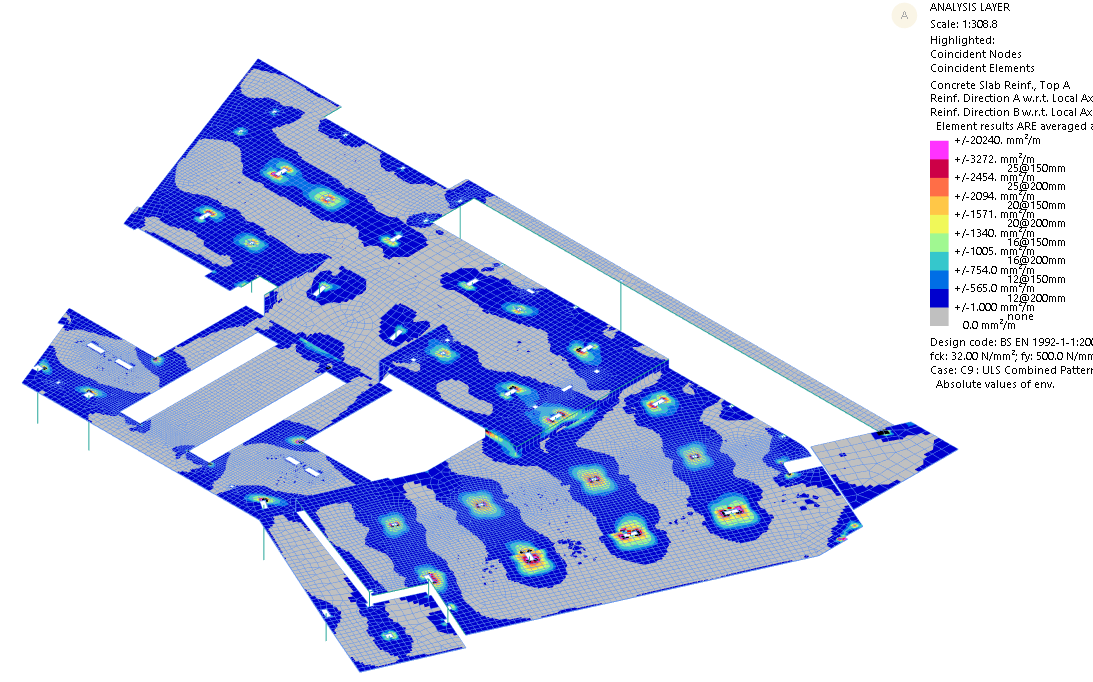
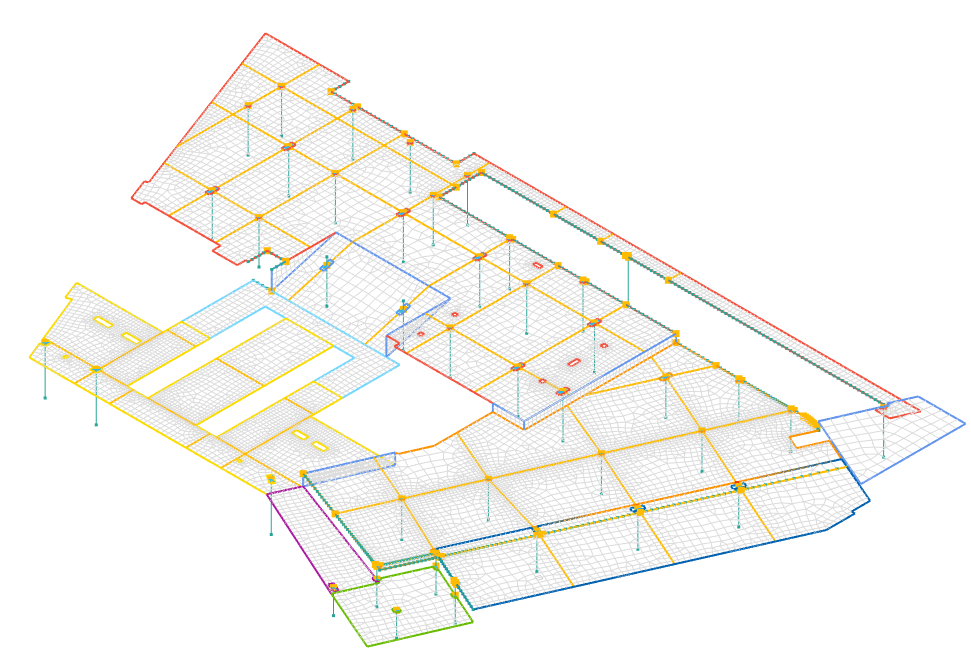
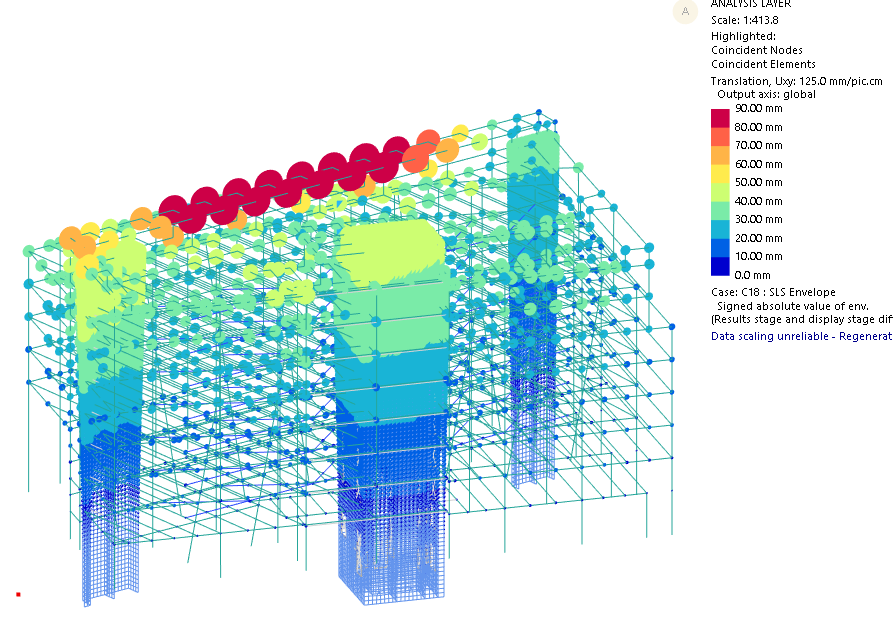
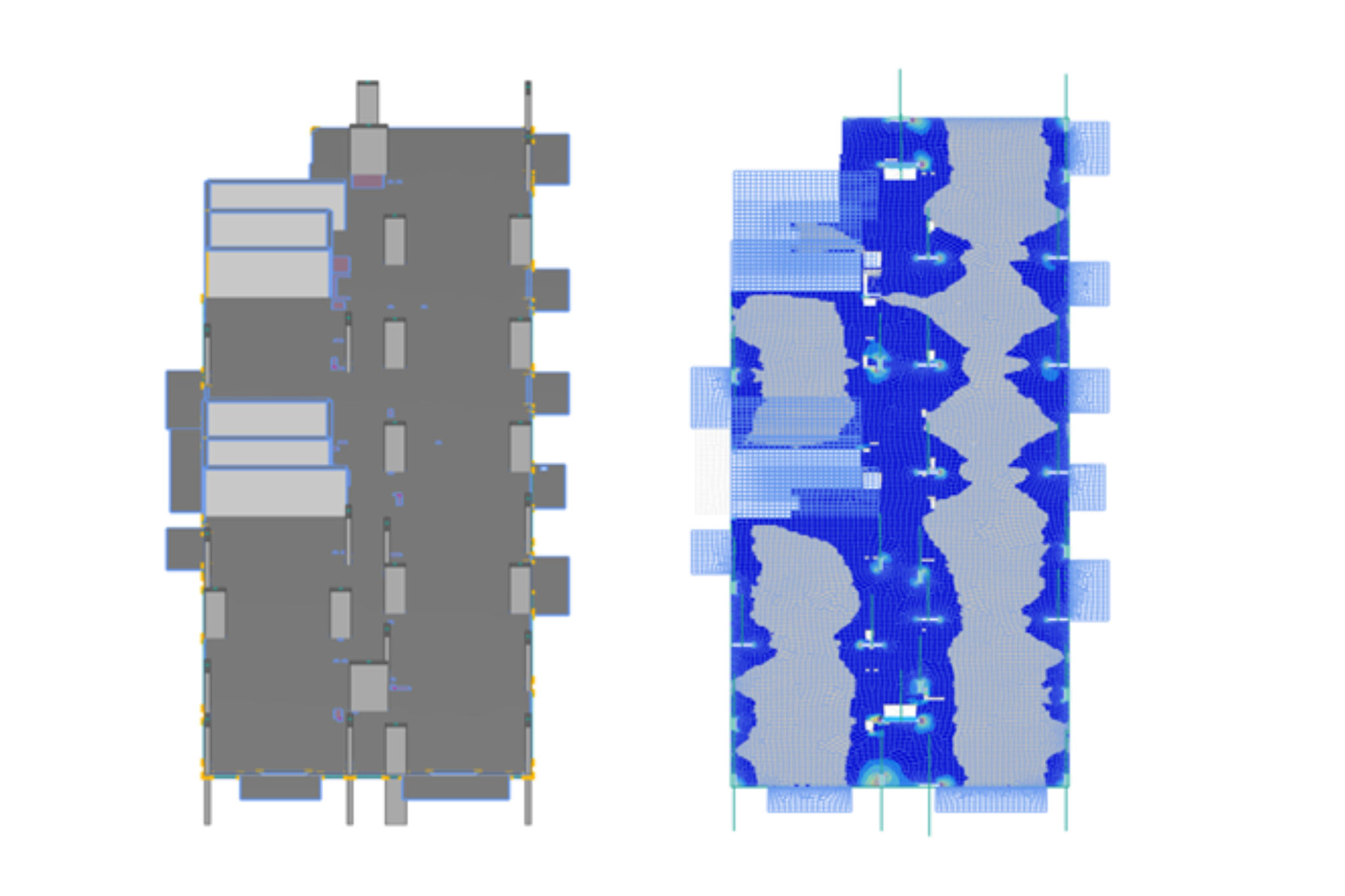
Oasys GSA was chosen for this project due to its flexibility in model manipulation and transparency in result interrogation. A global analytical model created in GSA facilitated efficient load take down and element design, including the RC Slab designer built into the software for designing core walls. This global model also enabled staged analyses to separate and simplify vertical and horizontal load paths.