

Oasys blog
Explore expert insights, technical guidance, and industry perspectives from Oasys and Arup engineers.
Featured blog post

Structural engineering
Standing tall in the heart of the Northeast: Oasys and the Angel of the North
This blog explores the story behind the Angel of the North and its connection to Oasys. It reflects on how Arup engineers used Oasys software in the 1990s to help bring this iconic landmark to life and how that legacy mirrors Oasys’ 50 years of shaping the built environment.
Read Blog
Geotechnical engineering
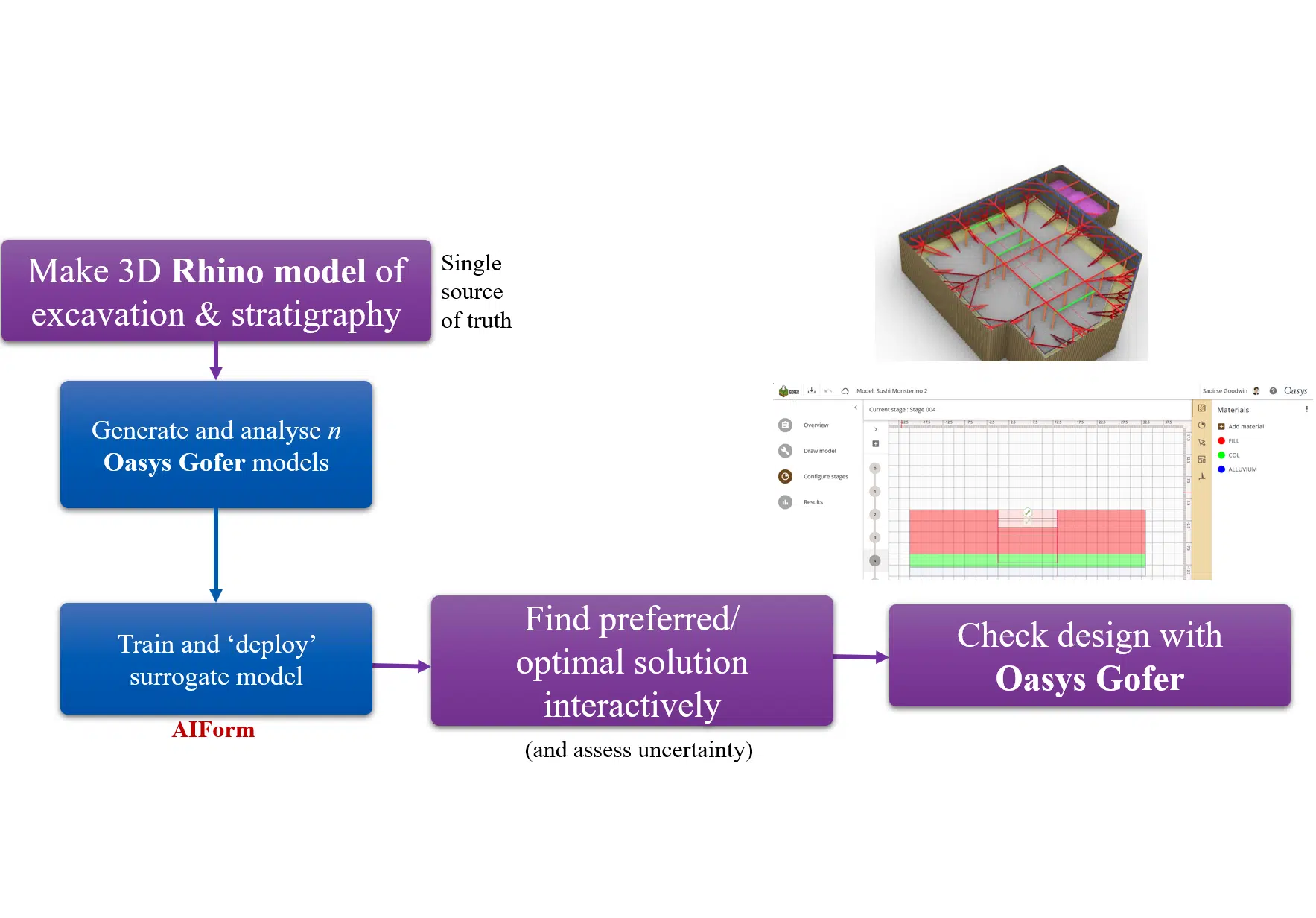
Cloud-based exploration of deep excavation design space
Posted May 28th 2026
Deep excavations are among the most technically demanding elements of urban construction. They combine complex soil–structure interaction, strong nonlinearity, and high sensitivity to ground…
Read More
Structural engineering
Standing tall in the heart of the Northeast: Oasys and the Angel of the North
Posted April 16th 2026
Rising above Gateshead with its unmistakable silhouette, the Angel of the North has watched over the A1 for more than two decades – an…
Read More
Pedestrian simulation
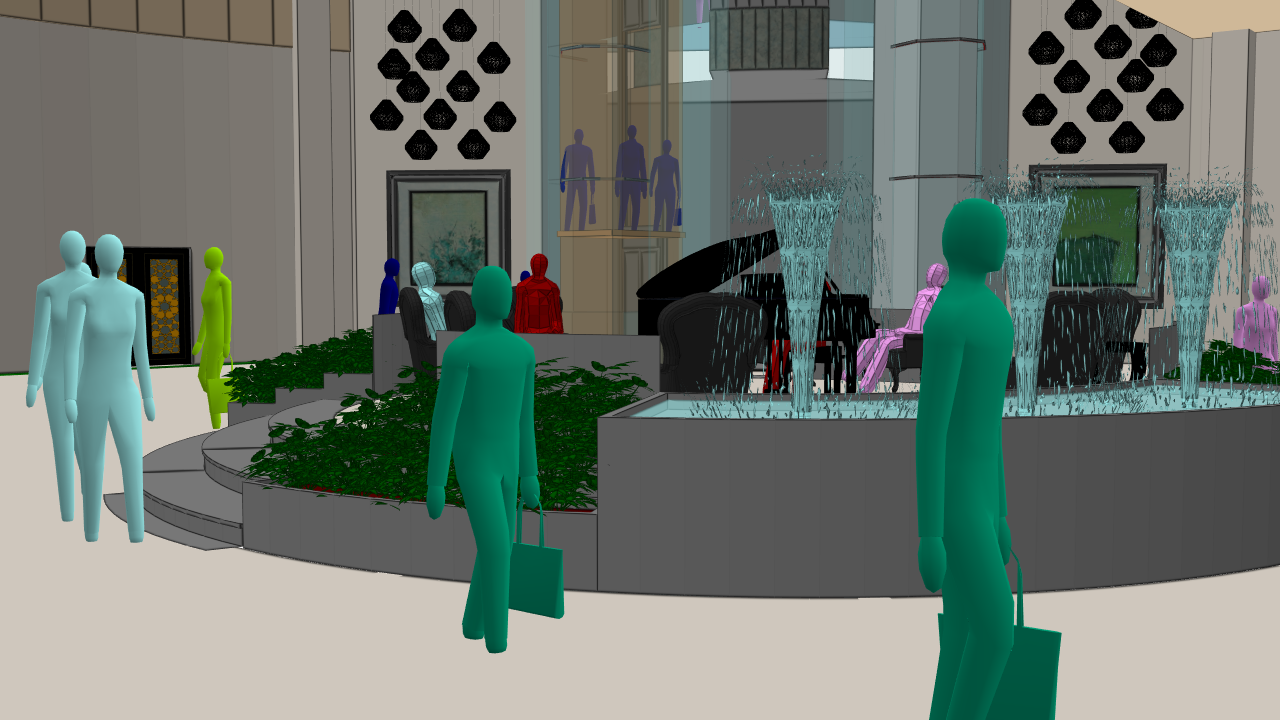
How we move in a world full of distractions
Posted November 3rd 2025
Mobile phone use and cognitive distractions notably affect pedestrian walking patterns by reducing speed, shortening steps, and increasing lateral deviations. Talking on the phone…
Read More
Pedestrian simulation
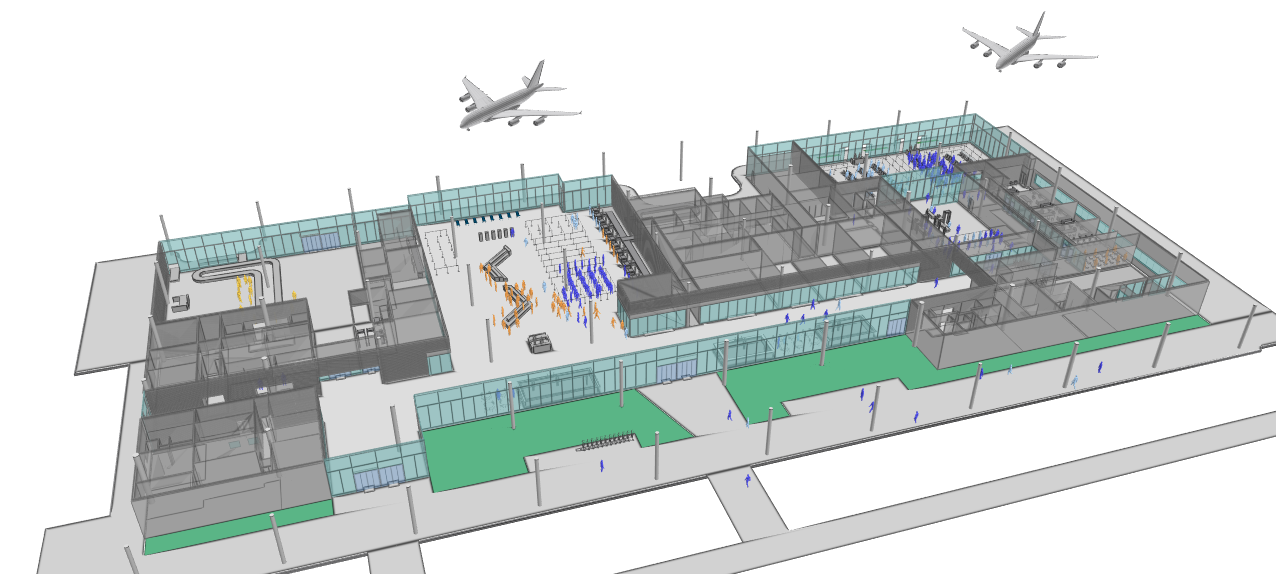
Solving complex airport design challenges one simulation at a time
Posted September 22nd 2025
Designing large, complex airports and terminals is no small feat. Aviation planners must balance operational efficiency, safety, and passenger experience, while ensuring infrastructure decisions…
Read More
Pedestrian simulation
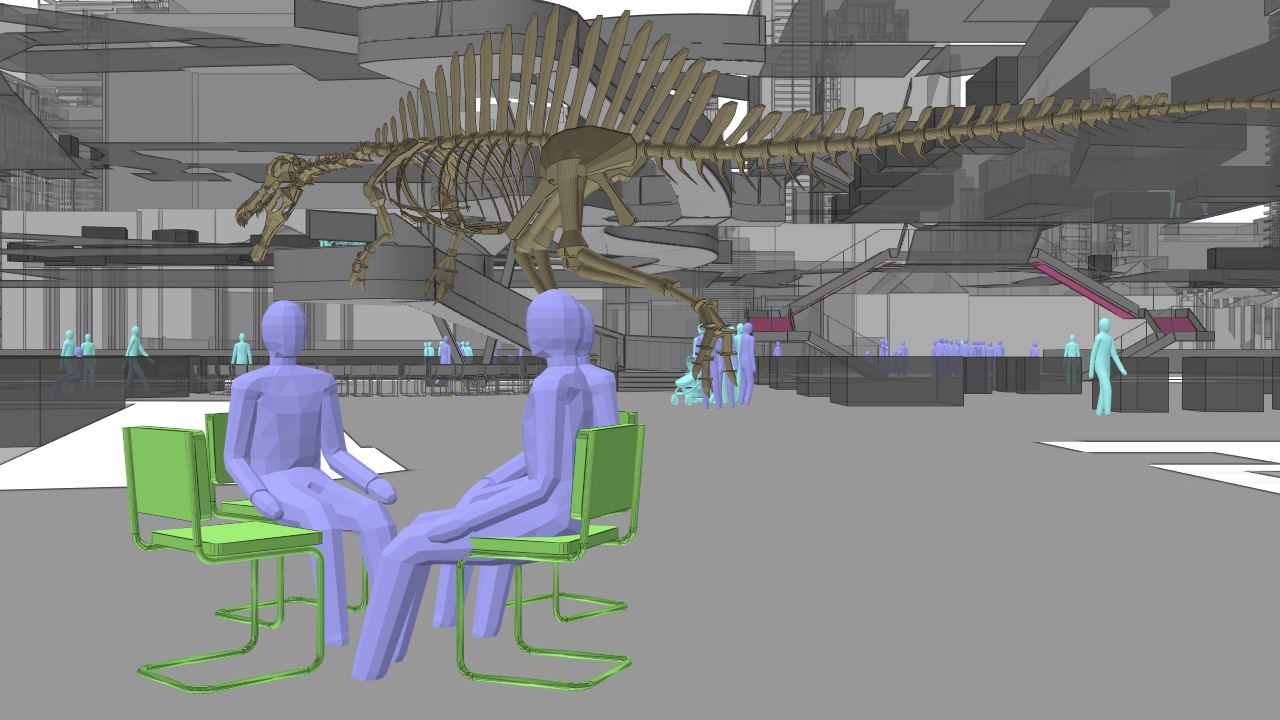
The Impact of the European accessibility regulations on pedestrian planning
Posted August 18th 2025
This summer marks a pivotal moment for inclusive design across the European Union, as the European Accessibility Act (EAA), first approved in 2019, officially came into force…
Read More
Pedestrian simulation
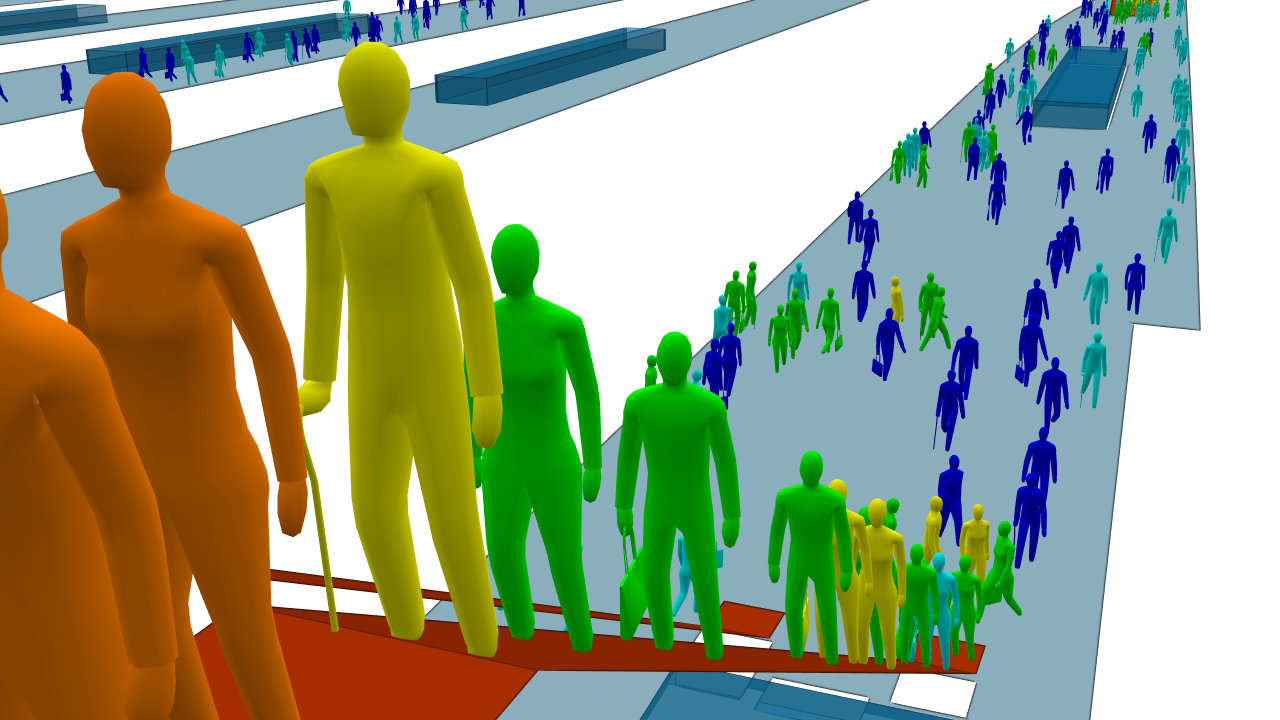
Synergising architectural research and crowd engineering
Posted April 3rd 2025
In a transformative collaboration, RSP Architects and the University of Minnesota’s Design School have unveiled the potential of crowd simulations in architectural research. Utilising Oasys MassMotion, this partnership has…
Read More
Pedestrian simulation
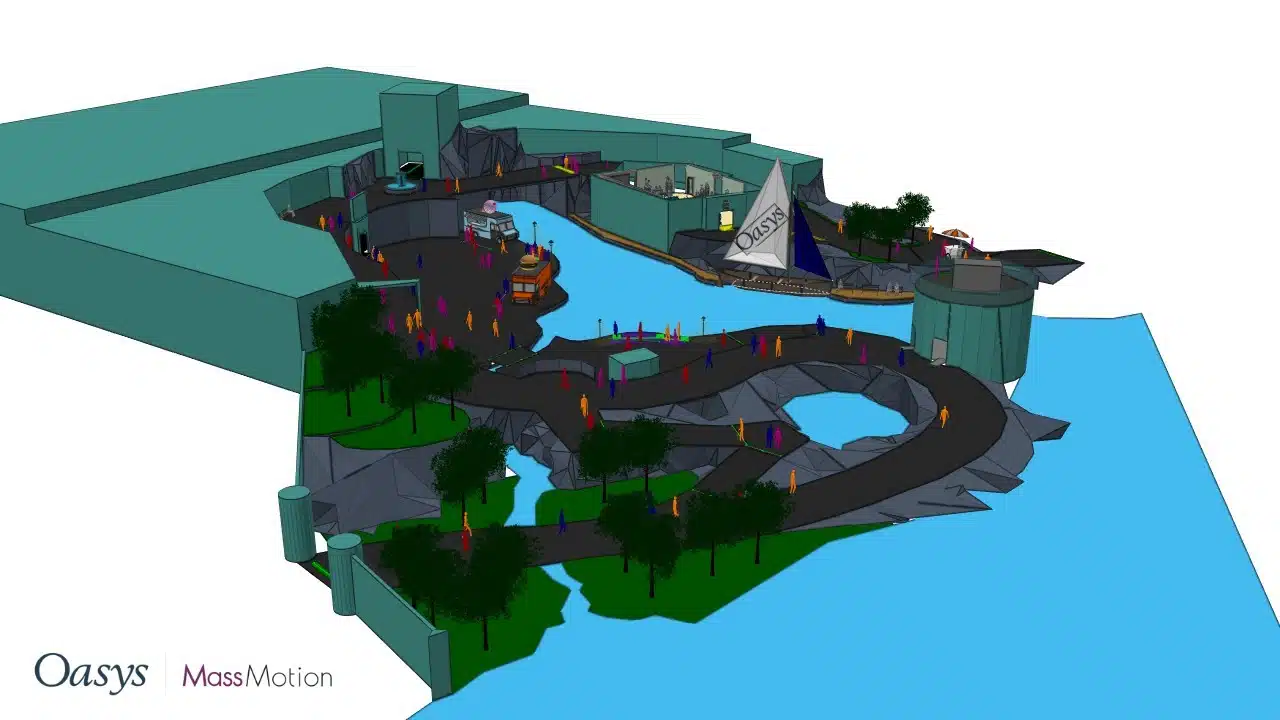
Queue the fun! How to master guest experience using Oasys MassMotion
Posted March 17th 2025
Ever felt like a sardine in a can while navigating a crowded theme park? Say goodbye to those days with the latest in pedestrian…
Read More
Structural engineering
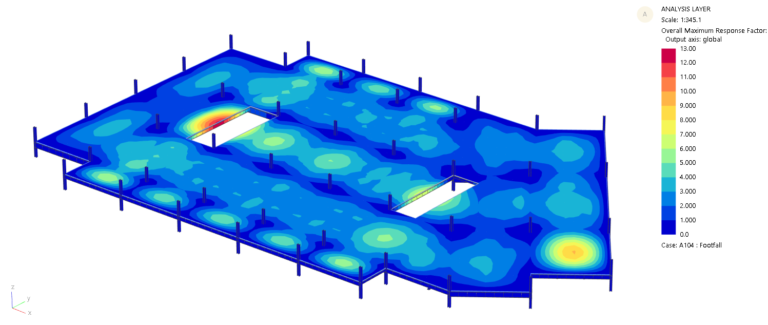
Walking in their footsteps: Designing resilient structures with footfall analysis
Posted February 3rd 2025
Imagine walking across a bridge or working in a high-rise office, unaware that every step you take has been considered as an important factor for the comfort…
Read More

Geotechnical engineering
Maximise your investment in geotechnical graphing
Posted January 13th 2025
We understand that investing in software is crucial for your project delivery, quality of work, and cost strategy. Managing software costs is a growing…
Read More

Geotechnical engineering
Cloud software: The new age of engineering
Posted May 6th 2024
Cloud computing software is an industry growing at a rapid pace. Its emergence has revolutionised the way businesses operate, and how we manage our…
Read More
Pedestrian simulation
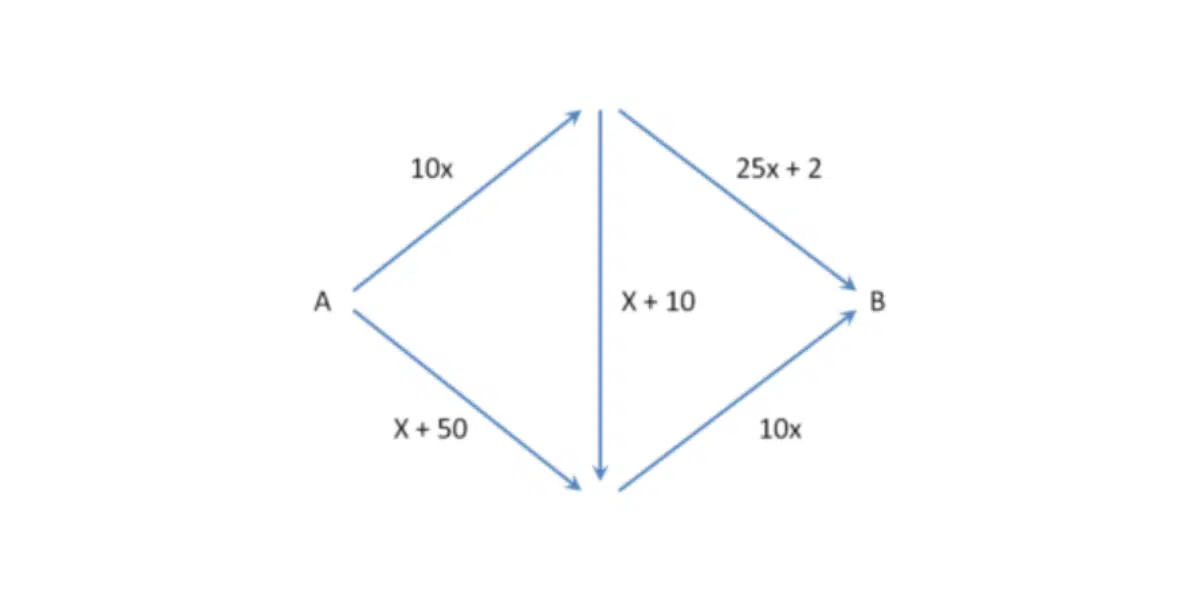
Braess’ Paradox: Why improving something can make it worse
Posted October 5th 2018
On Earth Day in 1990 they closed New York’s 42nd Street for the parade[1] and in 1999 one of the three main traffic tunnels in…
Read More